How to Create a Safe and Comfortable Recovery Space at Home
Recovering at home sounds simple until you actually try to live through it. Basic tasks like getting out of bed, walking to the bathroom, or even sitting comfortably can become difficult without the right setup. That’s where most people run into problems. They prepare for the medical side of recovery, but not the environment they’ll be recovering in.
A properly set up recovery space does more than add convenience. It reduces the risk of falls, limits strain on the body, and makes it easier to follow through on recovery instructions. The difference between a smooth recovery and a frustrating one often comes down to the quality of the design.
The goal is not to turn your home into a hospital. It’s to create a setup that supports movement, safety, and comfort without overcomplicating things. That means choosing the right location, removing hazards, and using equipment that actually fits your situation.
Understanding Recovery Needs Before Setting Up the Space
Type of Recovery Matters
Not all recovery situations are the same, and the setup should reflect the specific condition.
- Post-surgery (joint replacement, spine surgery, etc.)
- Limited mobility and strict movement restrictions
- Need for support with sitting, standing, and repositioning
- Injury recovery (fractures, mobility limitations)
- Temporary but often restrictive
- Focus on stability and preventing further injury
- Chronic illness or extended care needs
- Long-term setup with more comprehensive support
- Greater emphasis on comfort and accessibility over time
Mobility Limitations
Understanding how much movement is restricted will determine what equipment and adjustments are necessary.
- Temporary vs long-term restrictions
- Short-term recovery may require minimal but targeted support
- Long-term limitations often need more permanent solutions
- Need for:
- Walking assistance
- Walkers, canes, or crutches, depending on stability
- Transfer support
- Help getting in and out of bed or chairs
- Fall prevention
- Reducing risks in all movement areas
- Walking assistance
Daily Living Requirements
Recovery affects more than mobility. It changes how everyday tasks are performed.
- Eating, bathing, sleeping, and movement all impacted
- Tasks that were routine may require assistance or modification
- Importance of minimizing strain during routine tasks
- Reduce bending, reaching, and unnecessary movement
- Keep essential items within easy reach
- Set up spaces to support independence where possible
A clear understanding of these needs makes the rest of the setup more effective and prevents unnecessary adjustments later.
Choosing the Right Location in the Home
Ground-Level Setup
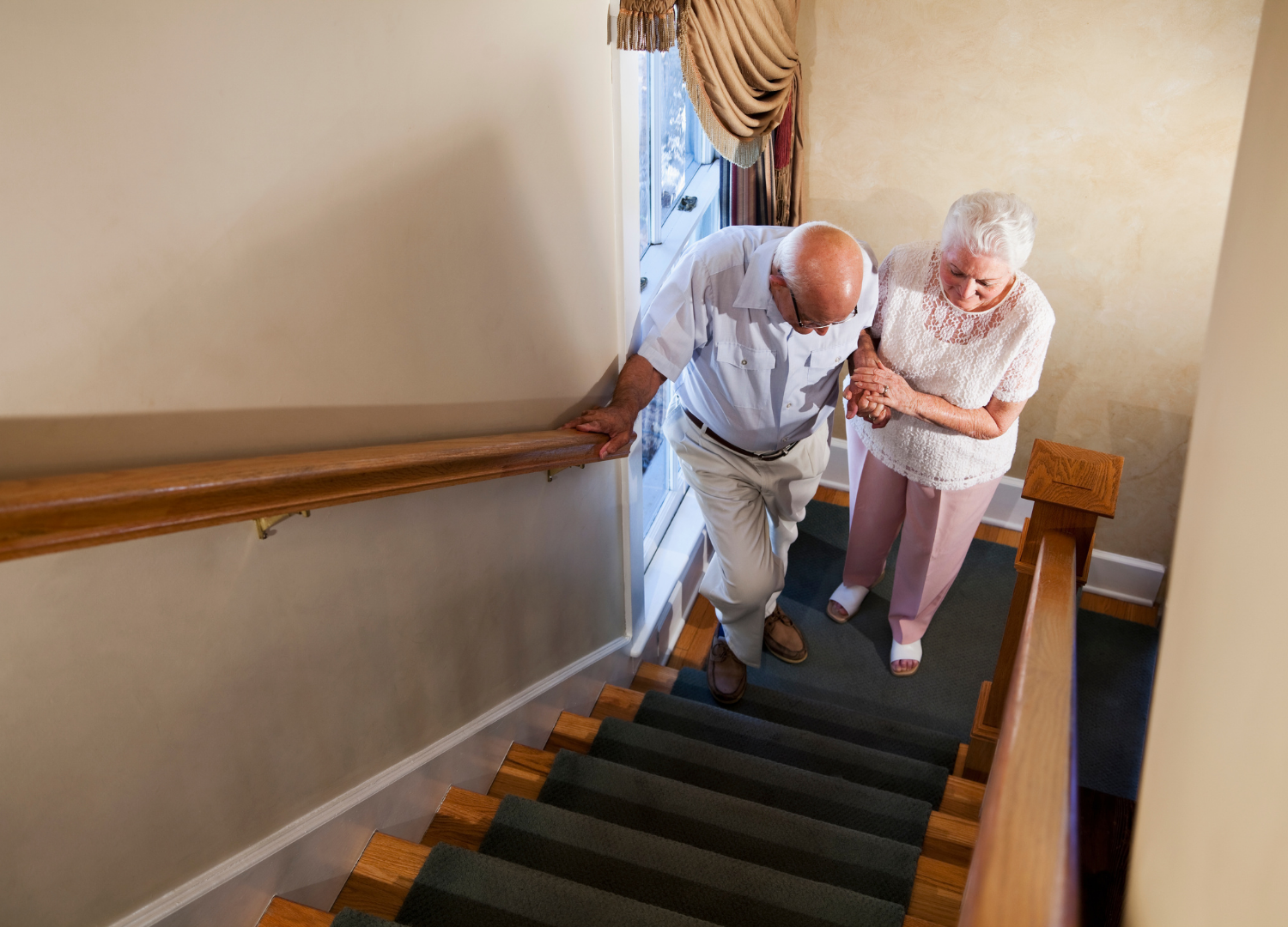
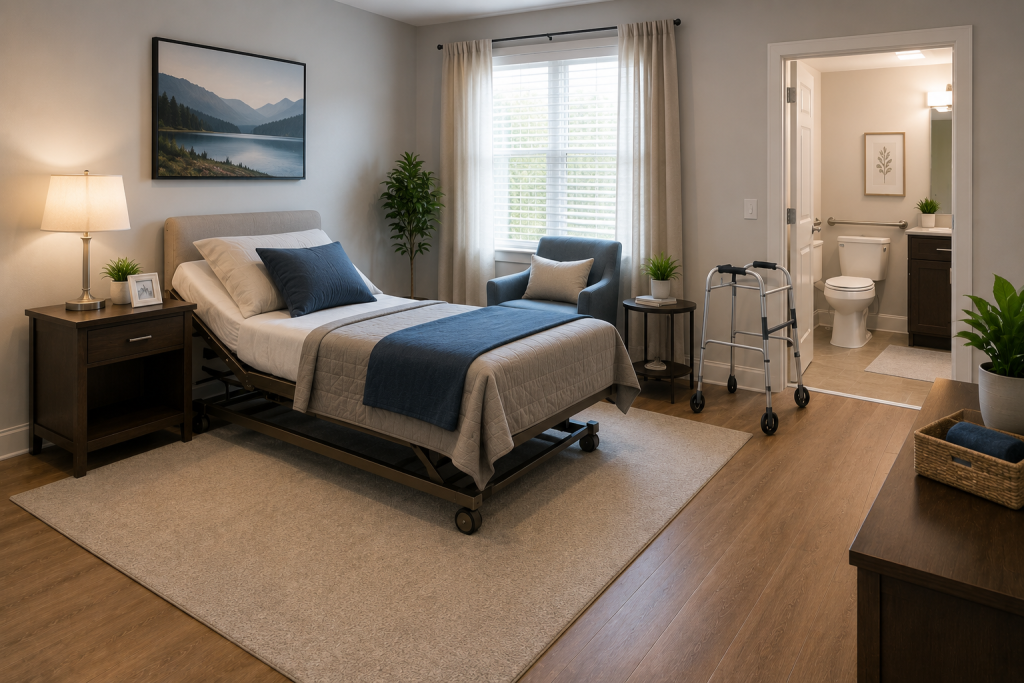
The location of the recovery space should reduce movement as much as possible. Setting up at ground level eliminates the need to navigate stairs, which are among the most common sources of falls during recovery. It also reduces physical strain, especially for anyone dealing with joint pain, post-surgical limitations, or balance issues. Keeping everything on one level allows for safer, more controlled movement throughout the day.
Proximity to Bathroom
Access to a bathroom is a critical factor when choosing where recovery will take place. The path should be short, direct, and free of obstacles so it can be navigated easily at any time. This becomes even more important at night, when visibility is lower and reaction time may be slower. It is also important to consider situations where quick access is needed, as delays or complicated routes can create unnecessary stress and increase the risk of accidents.
Space for Equipment
A recovery space needs more room than most people expect. Equipment such as an adjustable bed, walker, or wheelchair requires enough space to be used comfortably and safely. Tight or cluttered layouts make movement more difficult and increase the likelihood of tripping or losing balance. Creating an open, accessible area allows for smoother transitions between sitting, standing, and moving, which makes day-to-day recovery more manageable.
Essential Safety Modifications
Fall Prevention
Reducing fall risk should be the first priority when setting up a recovery space. Small hazards that are easy to ignore in everyday life can become serious problems during recovery. Rugs, loose cords, and unnecessary clutter should be removed to create clear, open walking paths. Every movement should feel predictable and stable. Adding non-slip flooring or mats in key areas provides additional traction, especially in spaces where balance may be compromised.
Lighting Improvements
Lighting plays a major role in preventing accidents, particularly when mobility is limited or reaction time is slower. The space should have bright, consistent lighting that eliminates shadows and makes it easy to see obstacles. This is especially important in transition areas like hallways and doorways. Night lighting should also be addressed. Soft but visible lighting near the bed, in hallways, and in bathrooms allows for safer nighttime movement without navigating in the dark.
Handrails and Support
Support points throughout the space help reduce strain and provide stability during movement. Grab bars should be installed in key areas, such as bathrooms, where slipping is more likely, and near the bed for additional support when getting in and out. Furniture should also be evaluated for stability. Anything used for support should be secure and not prone to shifting or tipping. Reliable support reduces the risk of falls and makes movement more controlled and manageable.
Setting Up a Comfortable Bed Area
Bed Height and Accessibility
The bed is the central part of the recovery space, so it needs to be easy to use without strain. Getting in and out of bed should feel stable and controlled, not difficult or awkward. Beds that are too low can require excessive effort to stand up, while beds that are too high can increase the risk of slipping or losing balance. The goal is to position the bed at a height that allows smooth transitions between sitting and standing with minimal effort.
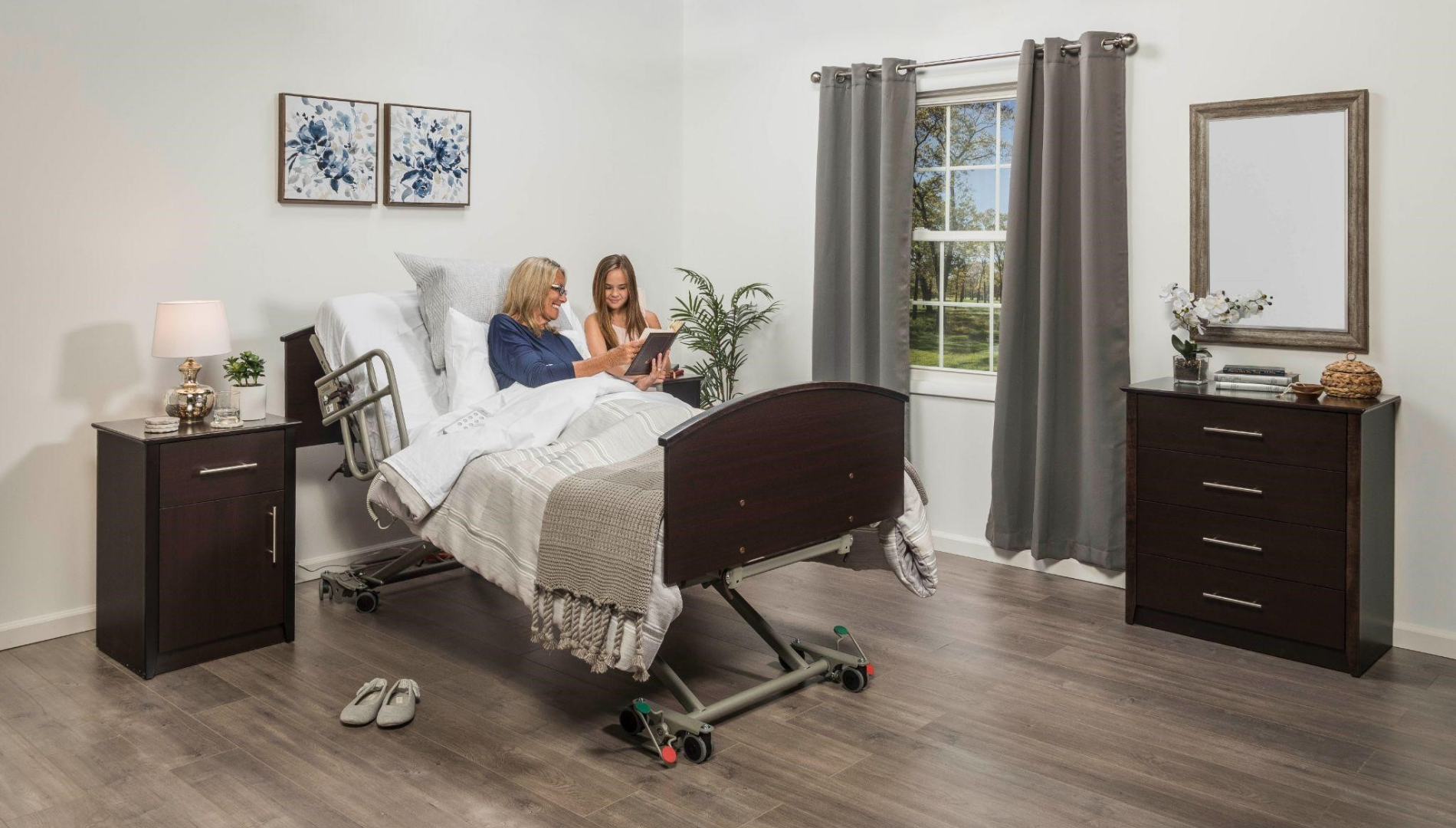
Adjustable Beds or Hospital Beds
In many recovery situations, a standard bed does not provide enough flexibility or support. Adjustable beds or hospital beds allow for better positioning throughout the day and night, which can significantly improve comfort.
The ability to elevate the head or legs helps reduce pressure, improve circulation, and make it easier to rest or sleep. It also simplifies repositioning, which is especially helpful for individuals with limited mobility or those who need assistance. These types of beds are most useful during extended recovery periods or when movement restrictions make it difficult to adjust positions independently.
Pressure Relief and Positioning
Proper support is essential for both comfort and the prevention of additional issues during recovery. A supportive mattress helps distribute weight evenly and reduces pressure on specific areas of the body. Pillows should be used strategically to support the back, legs, or arms, depending on the condition.
Positioning is not just about comfort. It helps prevent pressure sores, reduces stiffness, and improves overall recovery. A well-supported setup allows the body to rest properly without creating new points of discomfort.
Bathroom Safety and Accessibility
Toilet Modifications
Using the toilet can become one of the most physically demanding tasks during recovery if the setup is not adjusted. Standard toilet heights often require more bending and effort than is comfortable or safe.
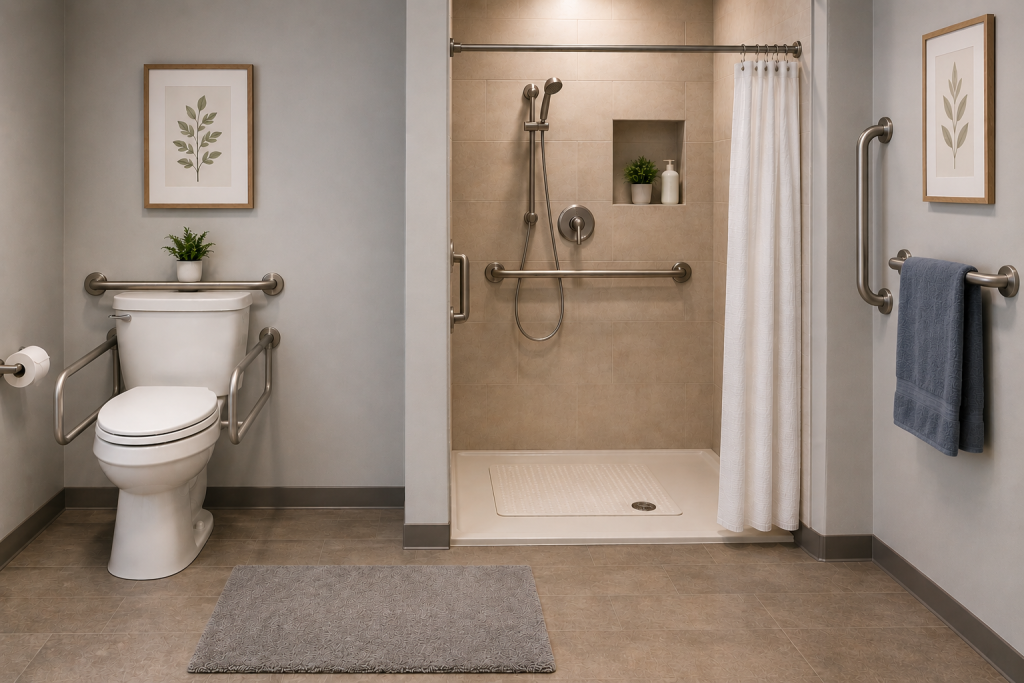
Raised toilet seats help reduce the distance between sitting and standing, making the transition more controlled and less stressful on the body. In situations where walking to the bathroom is difficult or unsafe, a bedside commode can provide a practical alternative and reduce the risk of falls, especially at night.
Shower and Bath Setup
Bathrooms are among the highest-risk areas for slips and falls, so the setup needs to prioritize stability and ease of use.
Shower chairs or benches enable seated bathing, eliminating the need to stand for extended periods and reducing fatigue. Handheld showerheads make it easier to control the direction of water without excessive movement. Non-slip mats add traction on wet surfaces, helping prevent slipping when entering, exiting, or standing in the shower.
Grab Bars and Stability
Support points are critical for safe movement in and around the bathroom. Grab bars should be installed in key locations where balance is most likely to be challenged.
This includes areas near the toilet and at the shower entry, where transitions between sitting, standing, and stepping occur. Properly placed support reduces strain and gives the user a stable point to rely on, making these movements safer and more manageable.
Mobility Support Equipment
Walking Aids
Mobility support starts with choosing the right level of assistance based on stability and movement limitations. Not every recovery requires the same type of support, so the equipment should match the user’s condition.
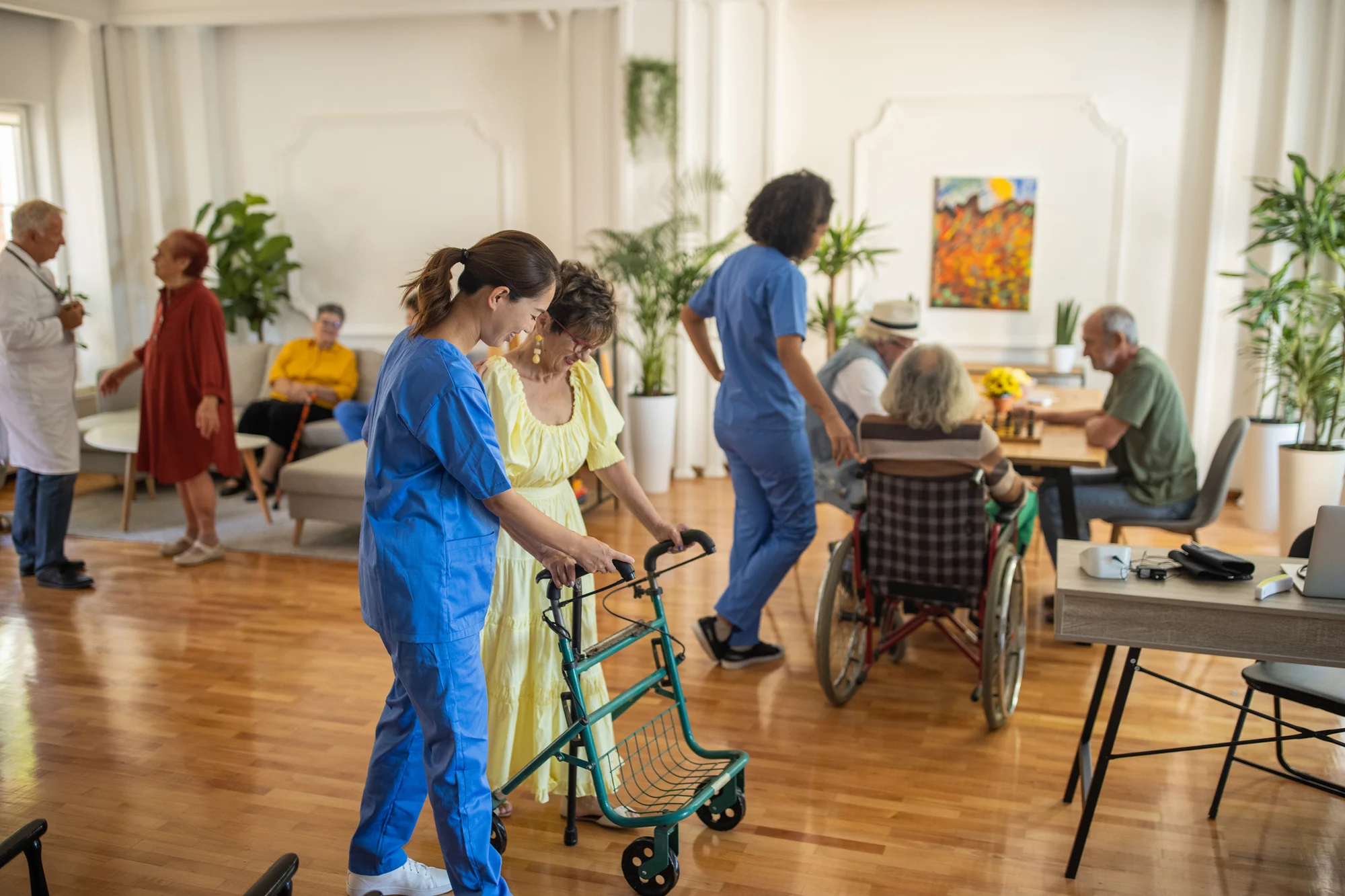
Walkers provide the highest level of stability and are often recommended after surgery or for individuals with balance concerns. Canes offer lighter support and are better suited for those who need minimal assistance with walking. Crutches are typically used for short-term injuries that require keeping weight off one leg.
The right choice depends on the level of stability needed and should always align with a doctor’s recommendations. Using the wrong type of aid can increase the risk of falls rather than reduce it.
Wheelchairs and Transport Chairs
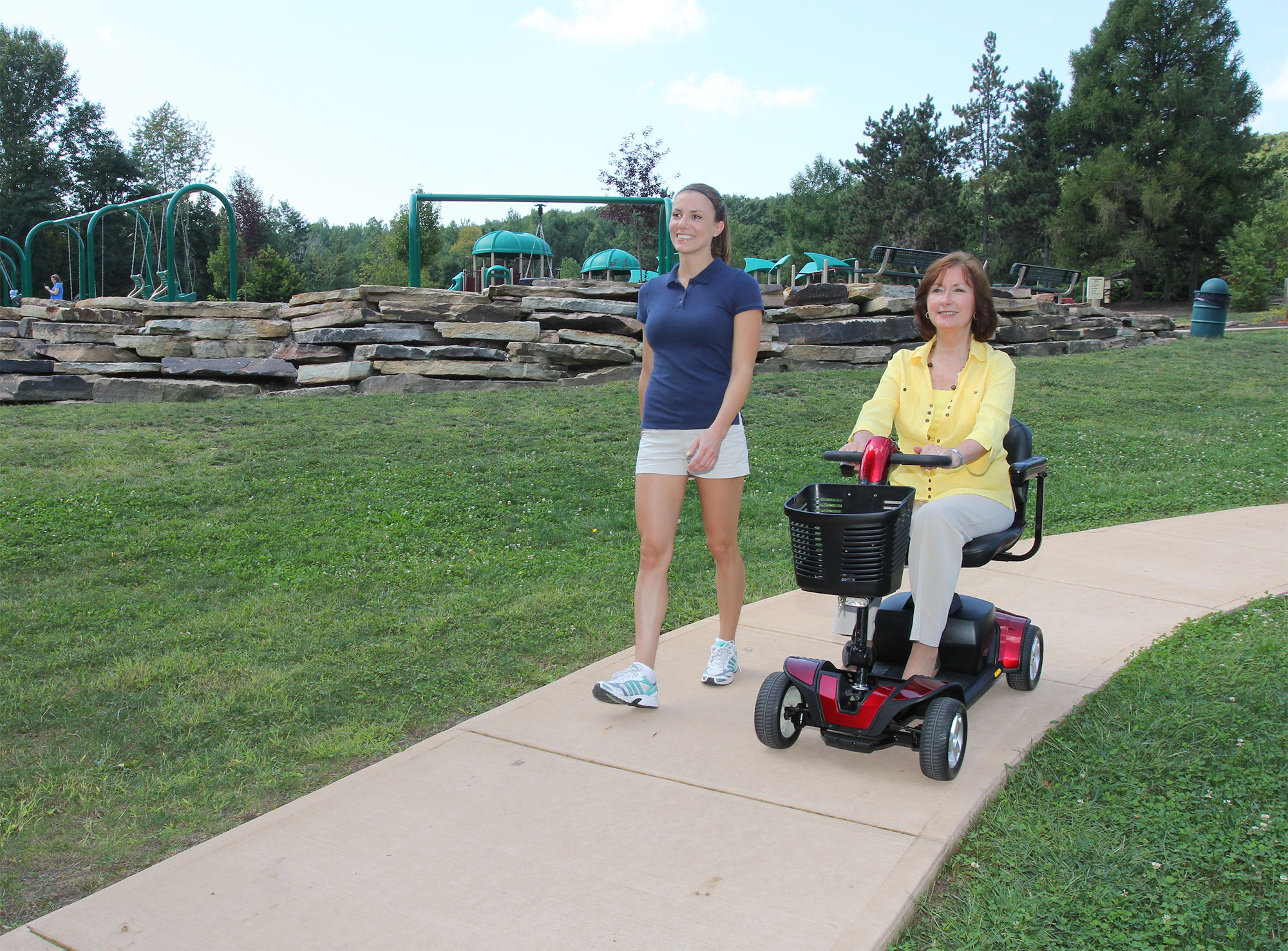
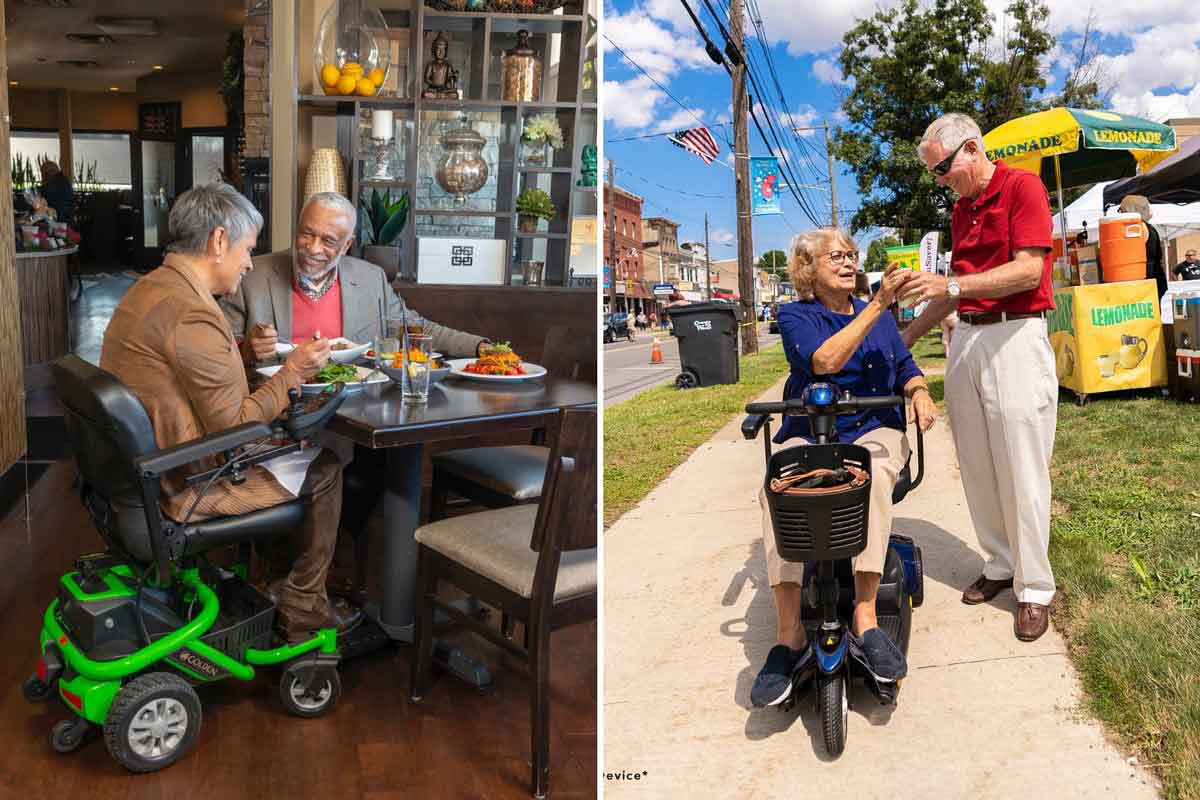
For individuals with more limited mobility, walking aids may not be enough. In these cases, wheelchairs or transport chairs provide a safer and more practical solution.
Wheelchairs are designed for greater independence and are better suited for long-term needs. Transport chairs are lighter and easier to maneuver, but require assistance from a caregiver. The decision between the two depends on how long the equipment will be needed and whether the user can move independently.
Transfer Assistance
Getting in and out of bed, chairs, or other seated positions can be one of the most difficult parts of recovery. Transfer assistance equipment helps make these movements safer and more controlled.
Bed rails provide support when repositioning or getting in and out of bed. Transfer boards help bridge the gap between surfaces, making it easier to move from one position to another. For more advanced needs, lift systems can assist with full transfers when mobility is severely limited.
These tools reduce strain, improve safety, and enable greater independence or easier caregiver support during recovery.
Creating a Functional Daily Living Setup
Bedside Essentials
During recovery, minimizing unnecessary movement is critical. Everything used regularly should be within arm’s reach from the bed.
Keep essential items close so there’s no need to get up or stretch excessively. This includes medications, water, a phone, and remote controls. Having these items accessible reduces strain and lowers the risk of losing balance when trying to reach for something unexpectedly.
Meal and Nutrition Access
Access to food and hydration should be simple and consistent without requiring frequent trips across the house.
Easy-to-reach snacks and drinks should be kept nearby to maintain energy and hydration throughout the day. An overbed table adds convenience by providing a stable surface for meals, reading, or device use without needing to relocate.
Storage and Organization
A well-organized space supports independence and reduces physical effort during recovery.
The goal is to eliminate the need to bend, stretch, or search for items. Storage solutions like baskets, shelving, and rolling carts help keep everything organized and accessible. Placing frequently used items at waist or arm level makes daily tasks easier and safer to manage.
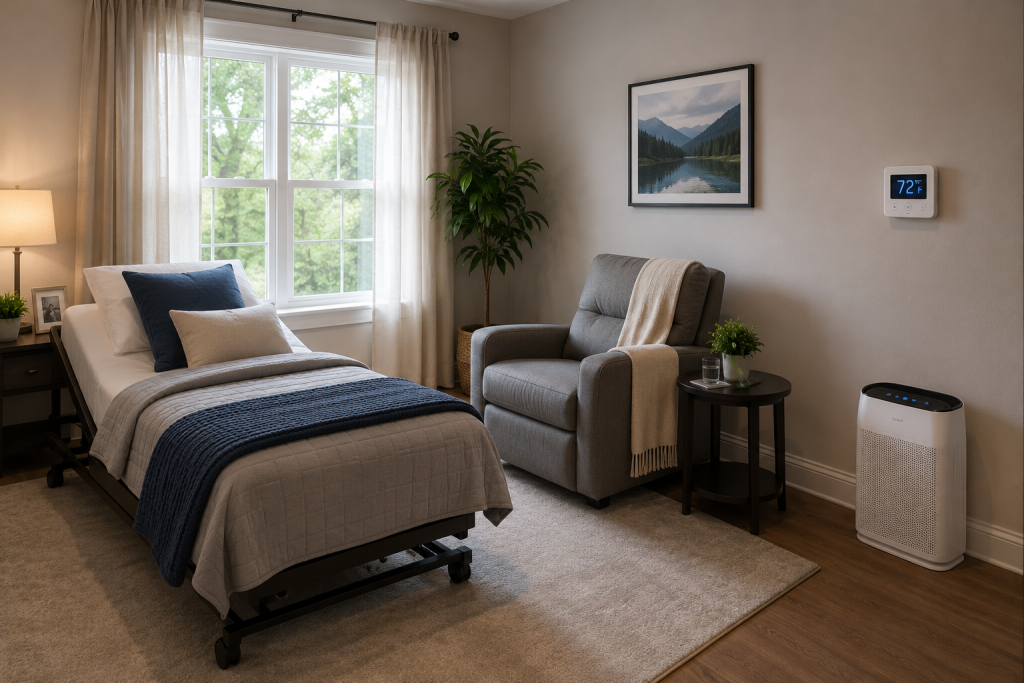
Temperature and Air Quality Control
Comfortable Climate
Temperature plays a bigger role in recovery than most people expect. The space should stay consistent throughout the day and night to avoid unnecessary discomfort.
Maintaining a stable temperature helps the body rest and recover without added stress. Rooms that are too hot can lead to fatigue and dehydration, while colder environments can increase stiffness and discomfort. The goal is to keep the space controlled and predictable so the person recovering is not constantly adjusting to changing conditions.
Air Quality Considerations
Air quality becomes more important when someone is spending extended time in one area.
Proper ventilation helps keep the air fresh and reduces the buildup of dust or irritants. In some cases, especially for individuals recovering from respiratory issues or surgery, an air purifier can improve overall comfort by removing airborne particles.
Clean, well-circulated air supports easier breathing and contributes to a more comfortable recovery environment.
Real-World Use Cases
Post-Surgery Recovery at Home
A common situation involves patients returning home after knee or hip replacement surgery. Mobility is limited, balance is reduced, and simple movements like sitting, standing, or using the bathroom become difficult.
In these cases, AZ MediQuip has helped many patients set up recovery spaces with the right combination of equipment. Walkers provide immediate stability during movement, raised toilet seats reduce strain on joints, and adjustable or hospital beds make it easier to reposition without assistance. Their team often guides patients and families through selecting the right equipment and ensures everything is set up correctly so recovery can start without unnecessary risk.
Elderly Patient Recovery
For older adults recovering from illness, injury, or surgery, the primary concern is fall prevention. Even a minor fall can lead to serious complications, so the environment needs to be carefully controlled.
AZ MediQuip regularly helps families create safer spaces through practical upgrades. This includes improving lighting throughout the home, installing grab bars in key areas like bathrooms, and ensuring clear, unobstructed pathways. Their experience working with seniors enables them to recommend solutions that support independence while reducing risk, a major concern for both patients and caregivers.
Short-Term Injury Recovery
Not every recovery situation requires a full setup, but even short-term injuries can benefit from the right equipment. Someone recovering from a fracture or minor surgery may only need temporary support, but the wrong setup can still lead to setbacks.
AZ MediQuip has worked with many individuals in these situations by providing short-term rentals and targeted solutions. Walkers support mobility, shower chairs improve safety during bathing, and simple bedside organization tools make daily routines easier. Because they offer both sales and rentals, patients can get exactly what they need for the duration of recovery without overcommitting to long-term equipment.
How AZ MediQuip Helps You Set Up Recovery Spaces
Expert Guidance
Setting up a recovery space is not just about buying equipment. It’s about choosing the right tools for the specific situation.
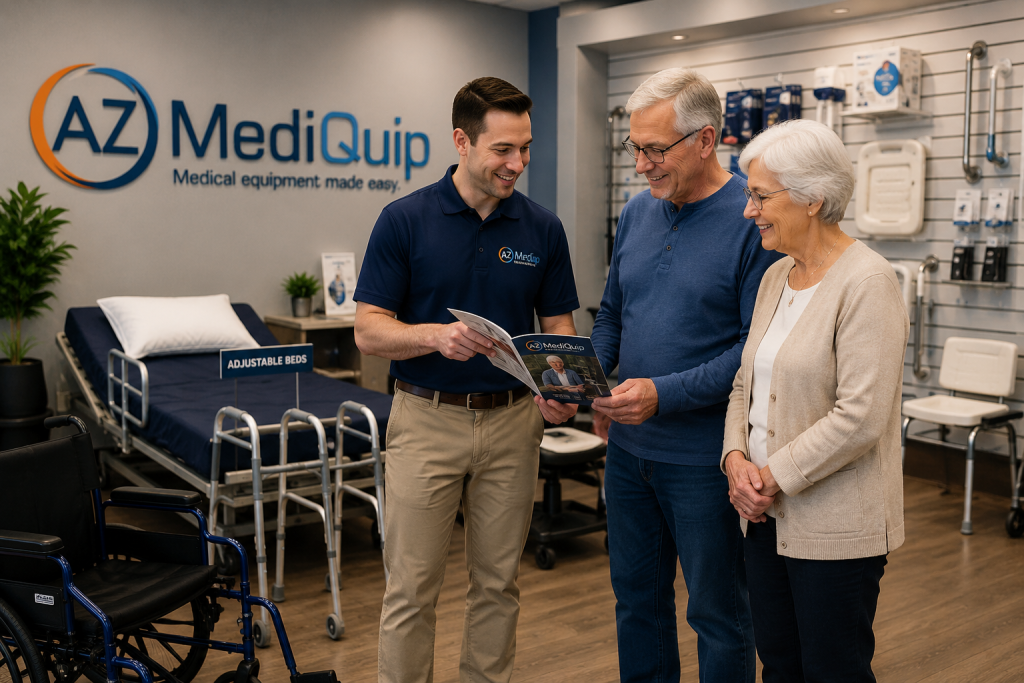
AZ MediQuip works directly with patients and caregivers to recommend equipment based on the condition, mobility level, and recovery timeline. Instead of guessing, you get guidance that aligns with what is actually needed, whether that means basic support or a more complete setup.
Wide Range of Medical Equipment
Different recovery situations require different solutions, and having access to the right equipment makes the process easier.
AZ MediQuip offers a full range of products, including walkers, wheelchairs, adjustable beds, and bathroom safety equipment. This allows patients to build a setup that fits their needs without sourcing items from multiple places. They also provide options for both short-term and long-term use, which is especially helpful for temporary recovery situations.
Local Support and Convenience
One of the biggest advantages is being able to get help in person.
AZ MediQuip provides in-store assistance, allowing customers to ask questions, compare options, and get hands-on with the equipment before making a decision. This reduces the risk of choosing the wrong product and speeds up getting everything in place. Compared to ordering online, this approach offers faster access and more confidence that the setup will work as intended.
Building a Recovery Space That Works
A well-designed recovery space directly impacts how the recovery process unfolds. It improves safety by reducing fall risks and limiting unnecessary movement. It improves comfort by making it easier to rest, reposition, and manage daily tasks. It also supports a faster recovery by removing obstacles that can slow progress or cause setbacks.
The focus should be on reducing risk, supporting everyday activities, and creating a practical space to use throughout the day. Every adjustment should make movement easier, not more complicated.
Even small changes can have a meaningful impact. A clearer pathway, better lighting, or the right piece of equipment can make daily routines safer and more manageable, which ultimately leads to better outcomes during recovery.
If you’re preparing for recovery at home, don’t leave the setup to guesswork.
Visit AZ MediQuip to get the right equipment and guidance for your specific situation. Build a recovery space that supports healing, reduces risk, and makes daily life easier from the start.
FAQs
What equipment do I need for home recovery?
It depends on the condition and level of mobility, but common items include walkers, shower chairs, and adjustable beds.
How can I make my home safer during recovery?
Focus on removing hazards, improving lighting, and adding support features like grab bars in key areas.
Do I need a hospital bed at home?
Not always, but it can make a big difference in comfort and accessibility for certain recovery situations.
How long should I keep recovery equipment?
That depends on the recovery timeline. Some items are only needed for the short term, while others may be useful for a longer period.
Where can I get help choosing the right equipment?
AZ MediQuip can help you select equipment based on your needs and make sure you’re set up properly for recovery.
Related Articles