
Enhancing Daily Life with the Right Mobility Equipment
Mobility challenges affect far more than a person’s ability to move from one place to another. They influence confidence, independence, and the ability to participate in everyday life. Tasks that once felt routine, such as grocery shopping, visiting family, or walking through the neighborhood, can become difficult as balance, strength, or endurance decline.
The right mobility equipment can restore much of that independence. Modern mobility solutions are designed to help people remain active and safe while continuing to enjoy the routines and activities that matter most to them. Whether someone is recovering from surgery, managing a chronic condition, or simply experiencing the natural effects of aging, the correct mobility device can make daily life more manageable and enjoyable.
Mobility scooters, power wheelchairs, walkers, and rollators each serve different purposes. Some provide stability while walking. Others allow individuals to travel longer distances comfortably without fatigue. The key is choosing the equipment that matches the user’s physical needs and lifestyle.
AZ MediQuip helps individuals across Arizona find mobility solutions that improve everyday living. By offering a wide range of mobility equipment and knowledgeable guidance, the team helps customers select products that support safety, comfort, and independence.
Understanding How Mobility Equipment Improves Daily Life
Supporting Independence at Home
Mobility challenges often become most noticeable inside the home. Everyday movements that once required little thought can start to feel risky or exhausting.
Simple tasks may become difficult, such as:
- Walking from one room to another
- Standing for extended periods in the kitchen
- Moving safely through narrow hallways
- Getting in and out of chairs or beds
Mobility equipment helps address these challenges by providing stability and reducing the risk of falls.
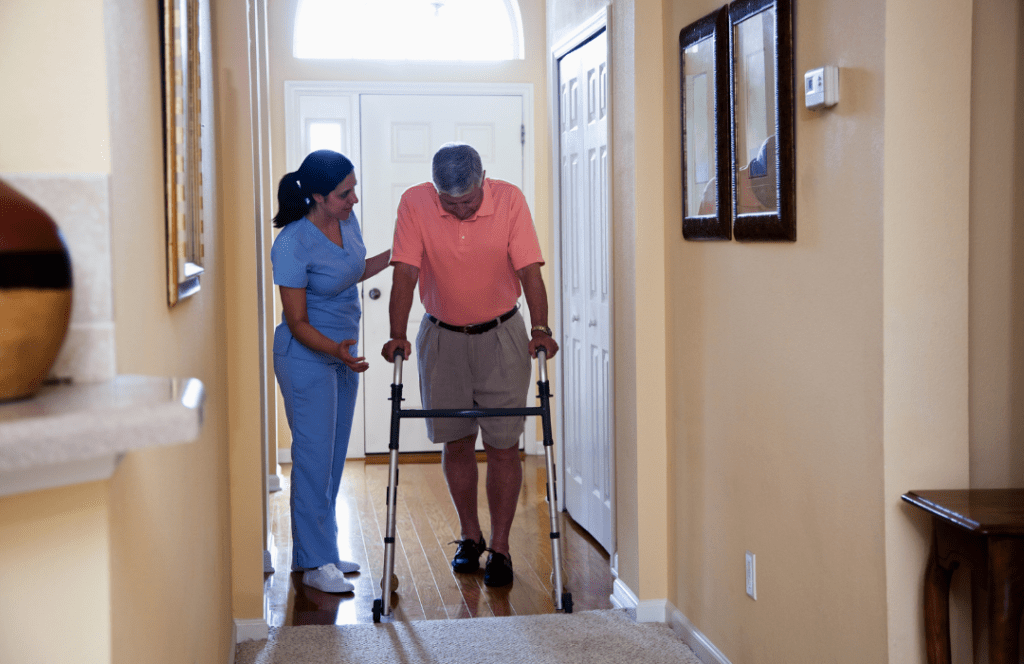
Walkers and rollators provide support while walking, allowing individuals to move around their homes with greater confidence. For people with limited mobility, power wheelchairs enable them to move throughout the home without assistance from caregivers.
This independence can make a meaningful difference. When individuals can move safely through their homes independently, they regain control of their daily routines and personal activities.
Improving Social Engagement and Mental Health

Mobility limitations often lead people to stay home more frequently. Over time, reduced social interaction can affect emotional well-being and overall quality of life.
Mobility equipment can help individuals remain engaged with their communities. A mobility scooter or rollator makes it easier to attend family gatherings, community events, medical appointments, and recreational activities.
Being able to leave the house comfortably and confidently allows people to stay connected with friends and family. Many individuals report improved confidence and reduced frustration once they begin using the appropriate mobility equipment.
Maintaining an active social life supports emotional health and helps individuals feel more connected to their communities.
Maintaining Physical Activity
Remaining physically active is important for maintaining strength, circulation, and flexibility. Mobility equipment does not replace activity. Instead, it supports safe movement.
Rollators and walkers allow individuals to continue walking while reducing the risk of falling. The added support encourages movement that might otherwise feel unsafe.
Mobility scooters allow users to travel longer distances without becoming exhausted. Someone who might avoid a shopping trip due to fatigue can instead navigate stores comfortably with a scooter.
Staying active contributes to overall health and helps individuals maintain greater independence.
Choosing the Right Mobility Scooter for Outdoor Freedom
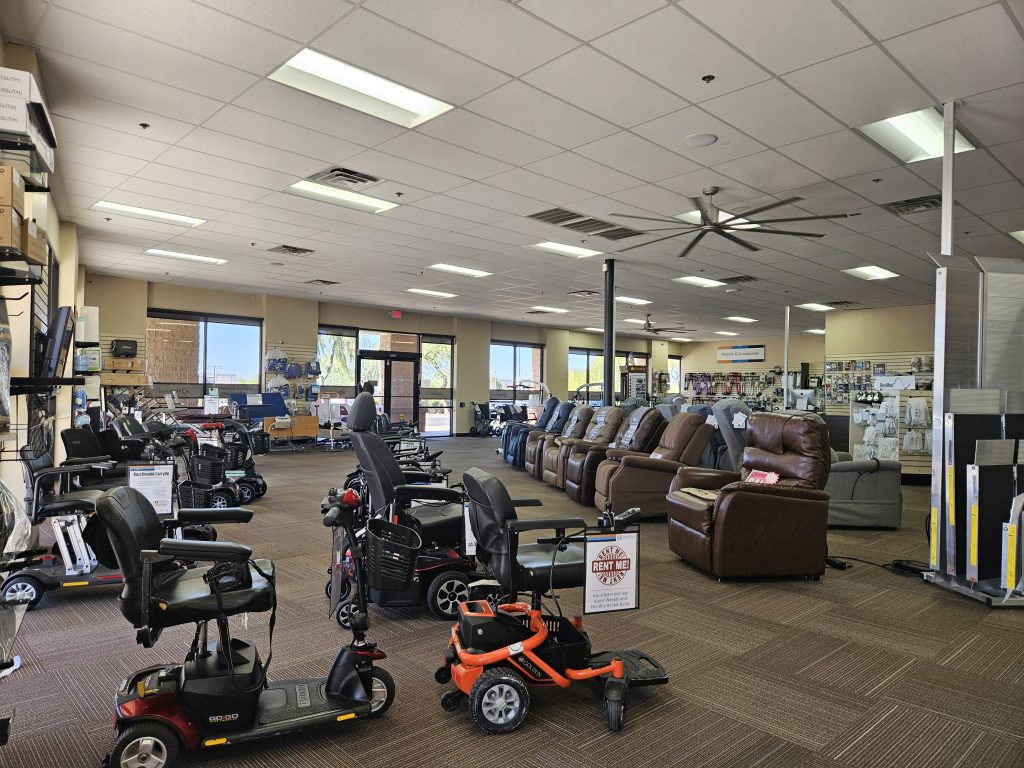
When a Mobility Scooter Is the Best Option
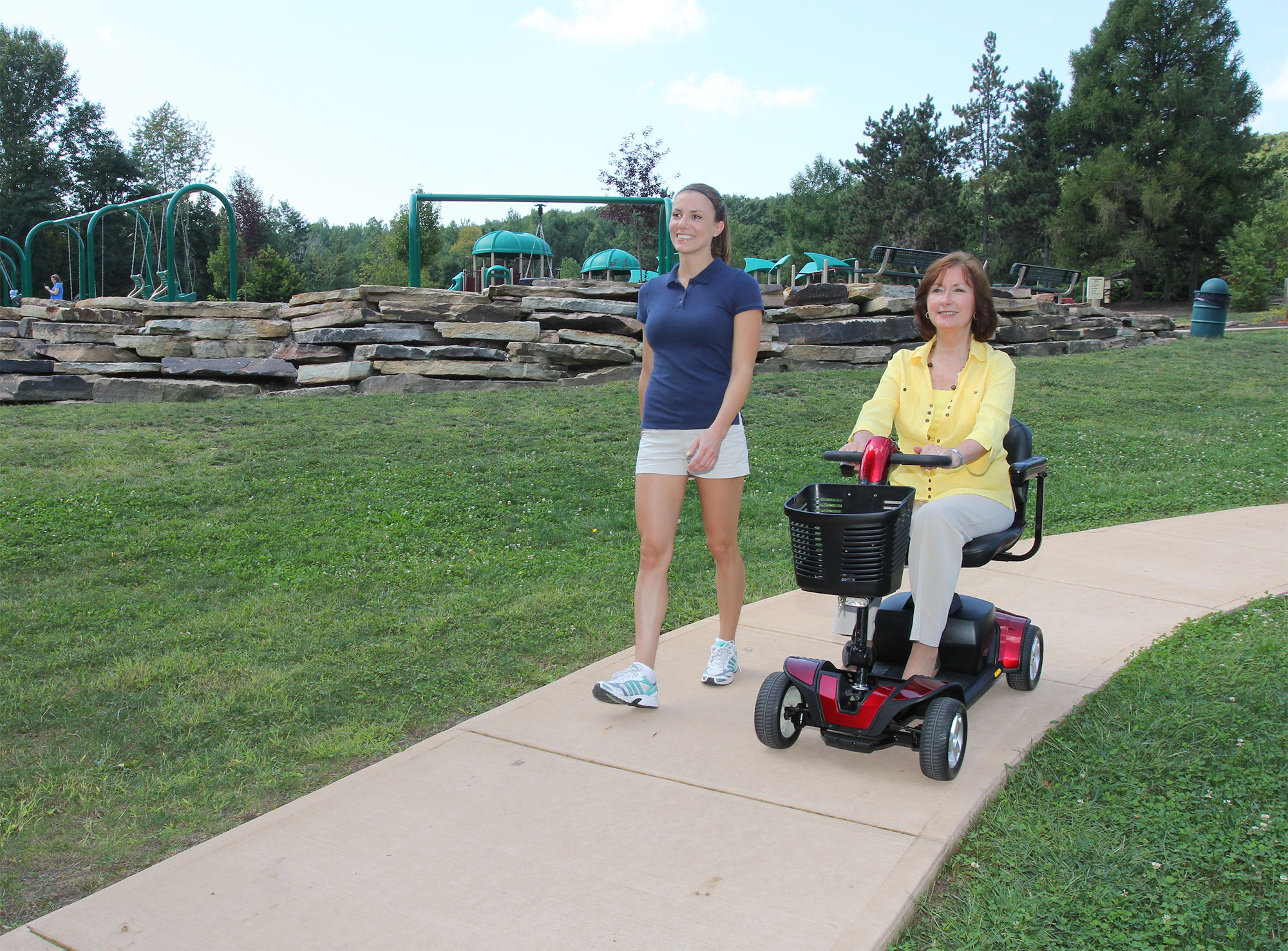
Mobility scooters are ideal for individuals who can sit comfortably and maintain upper-body control but need assistance when traveling longer distances.
They are commonly used for activities such as:
- Grocery shopping
- Visiting parks
- Attending events or appointments
- Navigating large buildings or shopping centers
Many people who can still walk short distances find scooters particularly helpful when they need to conserve energy.
Key Features to Consider
When selecting a mobility scooter, several factors should be evaluated to match the user’s lifestyle.
Important features include:
- Battery range to determine how far the scooter can travel on a single charge
- Weight capacity to ensure safe operation
- Turning radius for maneuvering through tight spaces
- Suspension systems that improve ride comfort on uneven surfaces
- Adjustable seating and armrests for proper support
- Portability for users who need to transport the scooter by vehicle
Choosing the right combination of features ensures that the scooter supports both comfort and functionality.
Types of Mobility Scooters
Mobility scooters are available in several styles designed for different environments.
Travel scooters
- Lightweight and compact
- Often disassemble into smaller pieces for transport
- Ideal for errands and short outings
Mid-size scooters
- Balance portability and stability
- Suitable for indoor and outdoor use
- Comfortable seating for extended rides
Heavy-duty scooters
- Higher weight capacities
- Larger wheels for outdoor terrain
- Greater battery range for longer travel distances
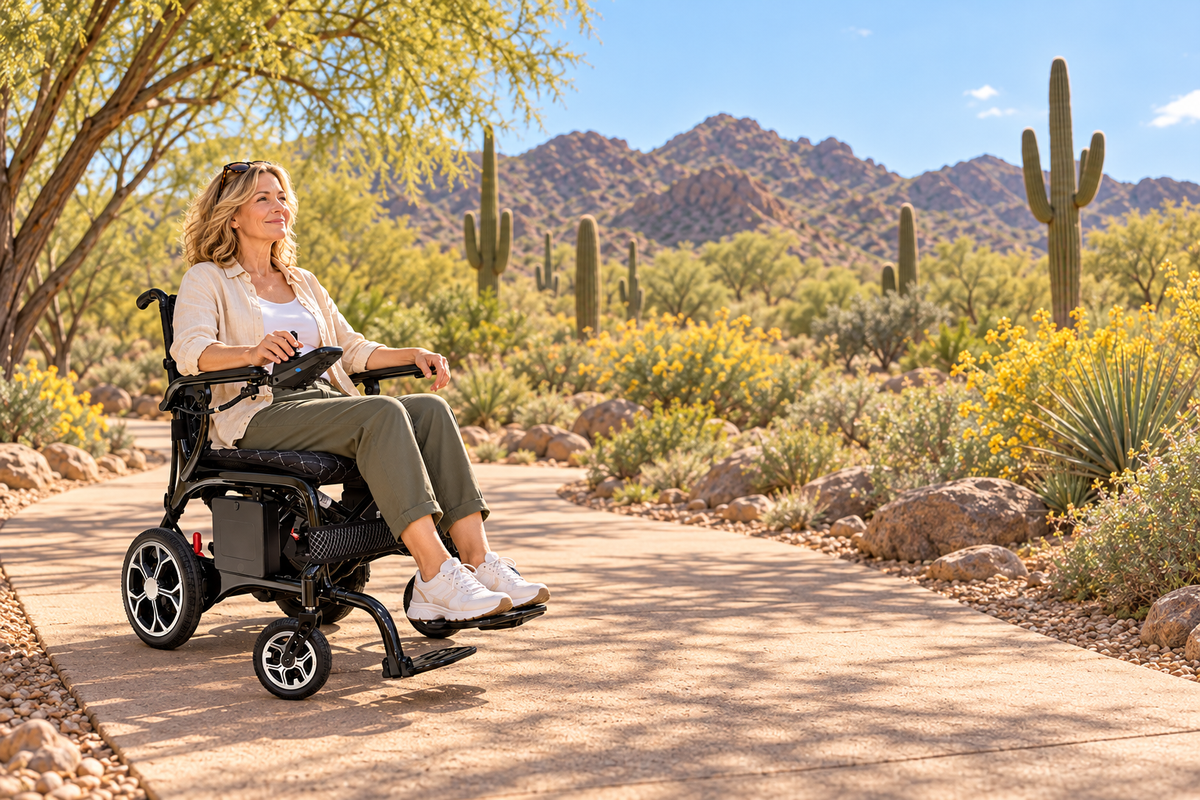
Power Wheelchairs for Maximum Mobility Support

Who Benefits Most from Power Wheelchairs
Power wheelchairs are designed for individuals who need more comprehensive mobility support.
They are particularly helpful for people who:
- Have limited upper body strength
- Live with neurological or muscular conditions
- Experience severe fatigue when walking
- Need full mobility assistance
The powered system allows users to move independently without relying on manual propulsion.
Advantages Over Manual Wheelchairs
Power wheelchairs offer several advantages that improve usability and comfort.
Users can control movement using a joystick or similar interface. This makes it easier to navigate tight spaces, turn smoothly, and adjust speed.
Many power wheelchairs include advanced seating systems that improve posture and pressure distribution. These features help prevent discomfort during extended use.
Important Features to Evaluate
When selecting a power wheelchair, important considerations include:
- Joystick responsiveness and control options
- Battery life and travel range
- Adjustable seating positions
- Tilt or recline capabilities for comfort
- Stability and safety systems
Each of these features plays a role in ensuring the chair supports daily mobility needs.
Indoor and Outdoor Mobility
Power wheelchairs are designed for versatility.
Inside the home, they allow users to navigate hallways, kitchens, and living areas comfortably. Many models feature tight turning radii, making maneuvering through doorways easier.
Outdoors, the powered system allows individuals to travel on sidewalks, ramps, and smooth terrain without assistance.
Walkers: Simple Support That Makes a Big Difference

Who Should Consider a Walker
Walkers provide stability for individuals who can walk independently but need additional support with balance.
They are commonly recommended for:
- Seniors experiencing balance concerns
- Patients recovering from surgery
- Individuals completing physical therapy
- People who feel unsteady when walking long distances
A walker can dramatically reduce the risk of falls while improving confidence during movement.
Types of Walkers
Several walker styles exist to meet different mobility needs.
Standard walkers
- Provide maximum stability
- Require lifting the frame with each step
- Often used during early recovery stages
Two-wheel walkers
- Allow smoother forward movement
- Offer stability while reducing effort
Folding walkers
- Designed for easy transport and storage
- Ideal for travel or limited storage space
Key Benefits
Walkers offer several advantages that support daily mobility.
They:
- Improve stability while walking
- Reduce fall risk
- Support proper posture
- Encourage movement during recovery or rehabilitation
For many individuals, a walker is an important tool that helps them maintain independence at home.
Rollators: Mobility with Comfort and Convenience
What Makes Rollators Different from Walkers
Rollators provide similar support to walkers but include wheels that allow smoother movement.
Most rollators include:
- Four wheels for continuous motion
- Hand brakes for safety
- A built-in seat for resting
- Storage baskets or bags
This design allows users to walk longer distances while maintaining balance and comfort.
Ideal Users
Rollators work well for individuals who:
- Can walk independently but tires easily
- Need occasional rest breaks
- Enjoy outdoor walking
- Want extra stability when navigating busy areas
Features to Look For
When choosing a rollator, important features include:
- Comfortable seat design
- Adjustable handle height
- Reliable braking system
- Lightweight frame for portability
- Storage space for personal items
These features make rollators practical for everyday activities.
Practical Everyday Uses
Rollators are commonly used during:
- Shopping trips
- Walks through parks or neighborhoods
- Community events
- Visits to medical offices
The ability to sit and rest at any time allows users to safely extend their walking distance.
How to Select the Right Mobility Equipment for Your Needs
Key Questions to Ask
Selecting mobility equipment involves understanding how and where the device will be used.
Helpful questions include:
- Will the device primarily be used indoors or outdoors?
- Does the user need balance support or full mobility assistance?
- Is portability important for travel or transportation?
- What weight capacity is required?
Answering these questions helps narrow down the best options.
Evaluating Lifestyle Needs
Lifestyle plays a major role in choosing mobility equipment.
Factors to consider include:
- Daily activity level
- Frequency of travel
- Home layout and accessibility
- Physical strength and endurance
A device that works well for someone who enjoys outdoor activities may differ from one designed primarily for indoor mobility.
Why Professional Guidance Matters
Trying equipment in person can help determine the most comfortable and effective solution.
Professional guidance can help users:
- Test different devices
- Understand safety features
- Adjust equipment for proper fit
- Identify models that match individual needs
How AZ MediQuip Helps Customers Choose
AZ MediQuip works closely with individuals and caregivers to identify the best mobility solutions.
Customers benefit from:
- A wide selection of mobility scooters, wheelchairs, walkers, and rollators
- Experienced staff who understand mobility challenges
- Opportunities to see and try equipment before making a decision
This personalized approach helps ensure that customers leave with equipment that truly supports their daily lives.
The Importance of Proper Fit and Adjustment
Why Fit Matters
Even the best mobility equipment will not perform properly if it is not adjusted correctly.
Proper fit helps:
- Prevent discomfort or strain
- Improve stability and balance
- Support safe movement
Adjustments That Improve Comfort
Several adjustments can significantly improve usability.
Examples include:
- Handle height adjustments for walkers and rollators
- Seat positioning for scooters and wheelchairs
- Armrest and footrest adjustments
These changes help ensure that the equipment supports the user’s natural posture.
Maintenance and Safety
Regular maintenance keeps mobility equipment working reliably.
Key maintenance tasks include:
- Charging batteries for powered devices
- Inspecting brakes and wheels
- Checking tire condition
- Keeping moving parts clean
Routine maintenance helps extend the lifespan of mobility equipment and keeps users safe.
Mobility Equipment That Restores Freedom
Mobility challenges do not have to prevent individuals from living active and fulfilling lives. The right equipment can transform everyday routines, allowing people to move more safely and confidently.
Mobility scooters help users travel longer distances comfortably. Power wheelchairs provide full mobility assistance for individuals who need additional support. Walkers and rollators offer stability that encourages safe walking and physical activity.
Choosing the right equipment often comes down to lifestyle, physical needs, and environment. When individuals receive proper guidance, they can select mobility solutions that restore independence and improve daily living.
Take the Next Step Toward Greater Independence
If you or a loved one is exploring mobility equipment, visiting a trusted provider can make the process easier.
At AZ MediQuip, customers can explore a wide range of mobility scooters, power wheelchairs, walkers, and rollators designed to support everyday life. The team helps individuals understand their options and select equipment that fits their needs.
Visit www.azmediquip.com or stop by one of the AZ MediQuip locations to speak with a mobility specialist and discover solutions that help you move confidently and comfortably.
Frequently Asked Questions
What is the difference between a walker and a rollator?
A walker provides maximum stability and typically requires lifting the frame with each step. A rollator includes wheels, brakes, and a seat, making it easier to move continuously and rest when needed.
How far can mobility scooters travel on a single charge?
Most mobility scooters travel between 10 and 25 miles per charge, depending on the battery size, terrain, and user weight.
Are power wheelchairs suitable for indoor use?
Yes. Many power wheelchairs are designed with tight turning radii, allowing users to navigate hallways, doorways, and indoor spaces easily.
How do I know which mobility device is right for me?
The right device depends on mobility level, physical strength, and lifestyle needs. Speaking with mobility specialists, such as those at AZ MediQuip, can help determine the best option.
Can mobility equipment be transported in a vehicle?
Many travel scooters and rollators are designed to fold or disassemble for easier transport in vehicles. Lightweight models are often preferred for frequent travel.
Related Articles