The Best Portable Medical Equipment for Spring and Summer Travel
Spring and summer travel should feel simple. For many people, it is. For patients managing mobility challenges, oxygen needs, or sleep conditions, it often becomes complicated quickly. What should be a weekend trip or family vacation turns into planning around bulky, difficult-to-transport, or not built-for-life equipment.
The problem is not the travel. It is the equipment.
Traditional medical devices were designed for stability, not mobility. They work well in a home setting but create friction the moment you try to load them into a car, take them through an airport, or use them outdoors in Arizona heat. That friction leads many people to scale back trips, limit activities, or avoid traveling altogether.
Portable medical equipment changes that. Lightweight oxygen concentrators, foldable wheelchairs, travel-ready power chairs, compact lifts, rollators, and travel CPAP machines are designed to move with you, not hold you back. They make it possible to travel longer distances, stay active during the day, and rest comfortably at night without sacrificing safety or support.
At AZ MediQuip, the focus is not just on selling equipment. It is on helping patients and caregivers choose the right setup for how they actually plan to travel. Whether it is a short trip across Phoenix, a road trip out of state, or a flight to visit family, the right equipment removes barriers and gives people the confidence to go.
Why the Right Portable Equipment Makes or Breaks Travel

Travel is not just about getting from one place to another. It is about being able to move comfortably, stay safe, and actually enjoy the experience. For patients who rely on medical equipment, the difference between the right setup and the wrong one shows up quickly. It affects how long they can stay out, how much they can do, and whether the trip feels manageable or overwhelming.
The Real Risks of Traveling Without Proper Equipment
When equipment is not designed for travel, small challenges turn into real limitations.
- Increased fatigue leading to shortened trips or missed activities
Walking longer distances without proper support can quickly drain energy, forcing patients to sit out or cut outings short - Higher fall risk in unfamiliar environments
Uneven surfaces, crowded spaces, and new surroundings increase the chance of losing balance without the right mobility support - Breathing issues without reliable oxygen support
Inconsistent or difficult-to-manage oxygen systems can limit movement and create unnecessary risk - Poor sleep quality impacts overall health
Without a travel-friendly CPAP or proper setup, sleep disruptions can affect energy, breathing, and recovery the next day
These issues do not just impact comfort. They can change the entire outcome of a trip.
What Changes When Equipment Is Travel-Ready
The right portable equipment shifts the experience from restricted to manageable.
- Mobility devices and portable systems allow patients to move on their own terms without constant assistance
- Proper equipment reduces lifting, pushing, and physical effort throughout the day
- When equipment is reliable and easy to use, there are fewer surprises and less uncertainty
- Patients can stay out longer, join in activities, and fully experience the trip instead of watching from the sidelines
AZ MediQuip helps patients and families make this shift by matching the right equipment to real travel scenarios. When everything is set up correctly before the trip, the focus moves away from limitations and back to the experience itself.
What to Look for in Travel-Ready Medical Equipment

Not all “portable” medical equipment is built the same. Some products are technically movable but still impractical for real travel. The difference comes down to how well the equipment performs outside the home. When evaluating options, focus on features that make travel easier, not just possible.
Portability and Weight
The first limitation most patients run into is weight and size.
- Lightweight enough for lifting into a vehicle
Equipment should be manageable for caregivers without strain or risk of injury - Foldable or compact design for storage
Devices that collapse or break down easily make a major difference when packing for trips
This is especially important for road trips, airport travel, and situations where equipment needs to be moved multiple times in a day.
Battery Life and Power Management
Power becomes a critical factor the moment you leave home.
- All-day battery performance
Equipment should last through extended outings without needing frequent recharging - Backup battery options for extended outings
Swappable or additional batteries provide peace of mind during longer trips
For devices like portable oxygen concentrators, power reliability directly affects safety, not just convenience.
Ease of Transport
Even lightweight equipment can be frustrating if it is difficult to handle.
- Fits in trunks, SUVs, or overhead compartments where applicable
Compact sizing ensures compatibility with common travel scenarios - Quick assembly and breakdown
Equipment should be easy to set up and pack away without tools or complicated steps
The goal is to reduce friction during transitions, whether you are loading a car, checking into a hotel, or navigating an airport.
Durability for Real Travel Conditions
Travel environments are not controlled like a home.
- Handles sidewalks, gravel, and uneven terrain
Equipment should be stable and functional across different surfaces - Stable in outdoor environments
Devices need to perform reliably in heat, sun exposure, and frequent movement
This is particularly important in Arizona, where outdoor conditions can be demanding and unpredictable.
Ease of Use for Patients and Caregivers
Complicated equipment creates stress and increases the risk of errors.
- Simple controls
Patients and caregivers should be able to operate equipment confidently without constant adjustments - Minimal setup time
The faster the equipment can be used, the easier it is to stay on schedule during travel
AZ MediQuip helps patients evaluate these factors before making a decision. The right equipment should not just work; it should make travel smoother, safer, and far less stressful from start to finish.
Portable Oxygen Concentrators for Travel

For patients who rely on oxygen, travel often feels limited by equipment. Traditional oxygen tanks are heavy, restrictive, and difficult to manage outside the home. Portable oxygen concentrators change that by making continuous oxygen support mobile, reliable, and much easier to manage during travel.
Why Portable Oxygen Is a Must for Travel
- Continuous oxygen support without relying on heavy tanks
Eliminates the need to transport and replace bulky oxygen cylinders - Freedom to move without being tied to a stationary system
Patients can walk, travel, and participate in activities without interruption
This shift allows patients to plan trips with confidence rather than worrying about managing oxygen on the go.
Key Features to Prioritize
Not all portable oxygen concentrators are built for real travel use. The right features make a major difference.
- FAA-approved models for air travel
Required for flying and navigating airports without restrictions - Long battery life for full-day outings
Supports extended travel days without constant recharging - Lightweight shoulder-carry or backpack options
Reduces physical strain and improves mobility - Quiet operation for comfort in public and during sleep
Allows for discreet use in restaurants, events, and overnight stays
These features ensure the device works across different environments, not just in controlled settings.
Foldable Wheelchairs for Easy Transport

Foldable wheelchairs are one of the most practical solutions for travel. They strike a balance between support and portability, making them ideal for patients who need assistance with distance but do not want bulky, hard-to-manage equipment.
What Makes a Wheelchair Travel-Friendly
Not every wheelchair is built for travel. The key is finding one that is easy to move, store, and use in different environments.
- Lightweight frame for lifting and storage
Caregivers should be able to load and unload the chair without excessive effort - Quick-fold design for cars and airplanes
The ability to collapse the chair in seconds makes transitions smoother during travel - Compact footprint for tight spaces
Easier navigation through doorways, hotel rooms, elevators, and crowded areas
These features reduce friction throughout the trip, especially when moving between locations multiple times in a day.
When Foldable Wheelchairs Are the Best Choice
Foldable wheelchairs are ideal in travel situations where flexibility and convenience matter most.
- Patients who need assistance for longer distances
Useful when walking long distances is not realistic, but full-time powered mobility is not necessary - Travel involving airports, hotels, and events
Easy to transport through terminals, store in vehicles, and use in public spaces - Situations where a caregiver is assisting
Designed for someone to push comfortably while maintaining control and stability
For many patients, this type of wheelchair becomes the go-to option for travel because it is reliable, simple, and easy to manage.
Power Wheelchairs for Extended Mobility
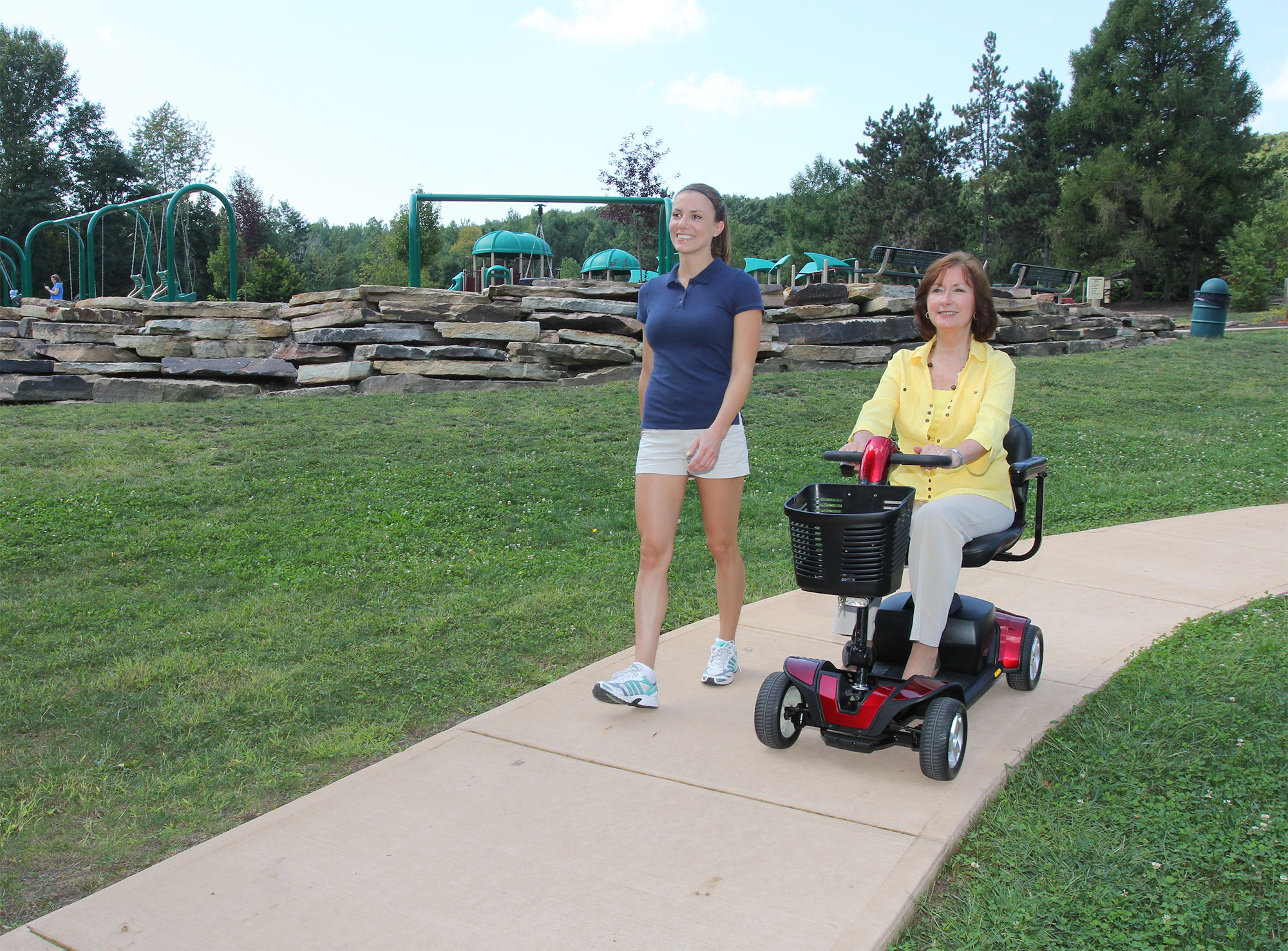
For patients who cannot self-propel or who fatigue quickly, a power wheelchair can make the difference between limited movement and full participation. While they require more planning than manual options, travel-friendly power wheelchairs are designed to support longer days and greater independence.
When a Power Wheelchair Makes More Sense
Power wheelchairs are the better choice when mobility needs go beyond occasional assistance.
- Patients who cannot self-propel
Eliminates the need for upper body strength or caregiver assistance - Long-distance travel days or full-day outings
Ideal for destinations that require extended movement, such as airports, resorts, or outdoor attractions
In these situations, a manual chair can be limiting, whereas a power wheelchair allows patients to remain active throughout the day.
Travel-Friendly Features to Look For
Not all power wheelchairs are suitable for travel. The right model is built for portability and flexibility.
- Foldable or travel-specific power models
Designed to collapse or break down for easier transport - Airline-approved batteries
Required for flying and simplifies airport navigation - Compact turning radius for indoor use
Allows for easier movement in hotel rooms, restaurants, and tight spaces
These features make it possible to use a power wheelchair across different environments without constant adjustments.
Key Considerations
Before choosing a power wheelchair for travel, it is important to plan for how it will be transported and used.
- Weight and transport requirements
Some models are heavier and may require ramps or lifts for loading - Vehicle compatibility
Ensure the wheelchair fits in your vehicle or that you have the right transport setup - Charging needs during travel
Plan for access to power sources and bring chargers or backup batteries as needed
Rollators for Flexible, Everyday Support
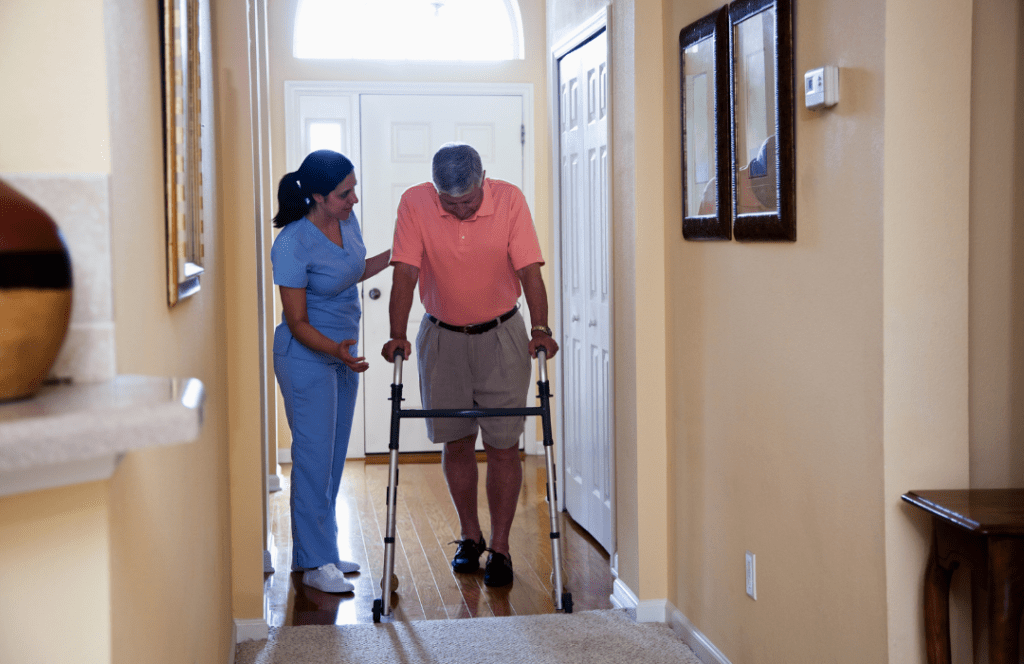
Rollators are one of the most versatile and travel-friendly mobility options available. They provide support without limiting independence, making them a strong choice for patients who can still walk but need stability, rest breaks, and a way to manage longer outings.
Why Rollators Are Ideal for Travel
- Lightweight and foldable
Easy to load into a car, store in a hotel room, or bring along for day trips - Built-in seat for rest breaks
Allows patients to sit and recover without searching for available seating - Storage for personal items
Convenient space for carrying essentials like water, medications, or small bags
These features make rollators practical for real-world travel, where flexibility and convenience matter throughout the day.
Best Use Cases
Rollators are best for patients who are mobile but need added support.
- Shopping, dining, and short-distance walking
Ideal for errands, restaurants, and indoor environments - Navigating sidewalks and paved paths
Stable enough for outdoor use while remaining easy to control - Patients who need balance support but still walk independently
Provides confidence without fully relying on a wheelchair
For many patients, a rollator becomes the primary device for day-to-day travel activities.
Features to Prioritize
Choosing the right rollator comes down to comfort, ease of use, and durability.
- Easy folding mechanism
Quick setup and breakdown for transitions between locations - Comfortable seat and backrest
Supports longer outings by allowing proper rest - Durable wheels for outdoor use
Larger, sturdier wheels handle uneven surfaces more effectively
Travel CPAP Machines for Sleep Health
Sleep is often overlooked when planning travel, but it directly impacts how patients feel and function each day. For those who rely on CPAP therapy, skipping or interrupting treatment during a trip can lead to fatigue, breathing issues, and reduced energy. Travel CPAP machines are designed to maintain consistent therapy without adding bulk or complexity.
Why CPAP Travel Matters
- Interrupted sleep impacts energy, breathing, and overall health
Missing even a few nights of CPAP use can lead to daytime fatigue, headaches, and breathing strain - Travel often disrupts normal routines
New environments, different schedules, and limited access to power can make it harder to stay consistent
Maintaining proper sleep support during travel helps patients stay active, alert, and comfortable throughout the trip.
Features of Travel CPAPs
Travel CPAP machines are built specifically for mobility and ease of use outside the home.
- Smaller, lightweight design
Easy to pack in carry-on bags or luggage without taking up excessive space - Battery-compatible options for off-grid use
Allows use during flights, road trips, or locations without reliable power access - Quiet operation for shared spaces
Minimizes disruption when staying in hotels or with family
How to Choose the Right Equipment for Your Trip
Choosing the right portable medical equipment is not about picking the most advanced option. It is about matching the equipment to how you actually plan to travel. The wrong choice can create frustration, while the right setup makes the entire trip smoother from start to finish.
Match Equipment to Travel Type
Start by thinking through the logistics of your trip.
- Air travel vs road trips
Air travel requires compact, airline-compliant equipment with battery approval, while road trips allow for slightly larger or heavier options - Short outings vs multi-day travel
A quick day trip may only require a rollator or foldable wheelchair, while longer trips may require power mobility, oxygen support, and sleep equipment
The more movement and time involved, the more important durability, battery life, and comfort become.
Consider the Patient’s Mobility Level
Equipment should match the patient’s actual physical ability, not just the diagnosis.
- Independent walking vs full assistance
Patients who can walk may benefit from rollators, while those needing full support may require wheelchairs or power chairs - Endurance and strength
Even if a patient can walk short distances, fatigue over a full day may require additional support
Choosing based on real endurance prevents overexertion and keeps the trip manageable.
Plan for Environment and Conditions
Where you are going matters just as much as how you are getting there.
- Indoor vs outdoor use
Tight indoor spaces require compact, maneuverable equipment, while outdoor settings demand stability and larger wheels - Weather and terrain
Arizona heat, uneven sidewalks, and outdoor environments require equipment that can handle real-world conditions
Planning for these factors avoids surprises once you arrive.
Work with AZ MediQuip Before You Travel
Travel does not have to stop because of medical needs. With the right preparation and the right equipment, it becomes manageable, comfortable, and realistic again. The difference is not just convenience. It is removing the barriers that limit movement, reduce energy, and create uncertainty during a trip.
Portable medical equipment allows patients to stay mobile, maintain their routines, and participate in the experiences that matter. Whether it is reliable oxygen support, easier mobility, safer transfers, or better sleep, the right setup directly improves safety, comfort, and how much someone can actually enjoy their time away from home.
If you are planning a trip this spring or summer, start by making sure your equipment is ready to travel.
Visit our online store to explore portable medical equipment designed for real-world travel. Speak with a specialist who can match the right products to your specific plans, whether you are flying, driving, or staying local.
FAQs
What is the best portable oxygen concentrator for travel?
- Depends on oxygen needs, battery requirements, and travel type
Can I bring a power wheelchair on a plane?
- Yes, but it must meet airline battery and transport requirements
Are foldable wheelchairs easy to transport in a car?
- Yes, most are designed to fit in standard trunks or back seats
Do travel CPAP machines work without power outlets?
- Many have battery options for travel use
Can I rent portable medical equipment for a trip?
- Yes, AZ MediQuip offers rental options for many travel-friendly devices
How far in advance should I prepare for travel?
- At least 1–2 weeks to ensure proper equipment selection and availability
Related Articles