
Back-to-Routine Essentials for Caregivers and Households With Medical Needs
When summer schedules end, daily routines become more demanding. School starts, work calendars fill up, medical appointments resume, and households have less flexibility when something takes longer than expected.
For caregivers and families managing medical needs, returning to a regular routine requires more preparation than updating a calendar. Mobility equipment needs to be dependable. Medical supplies need to be stocked. Bathrooms, bedrooms, and common areas need to support safe movement. Transportation plans must account for equipment, medications, and the time required to help someone leave the house.
A routine that worked several months ago may no longer fit the person’s current strength, balance, endurance, breathing needs, or level of independence.
Taking time to review the home and caregiving schedule can reduce rushed mornings, missed appointments, equipment problems, and physical strain. It can also help the person receiving care participate more comfortably in everyday activities.
Start With a Caregiving Routine Review
Before purchasing new equipment, walk through a typical weekday from beginning to end.
Pay attention to the moments that consistently require the most time or assistance. These may include getting out of bed, using the bathroom, bathing, dressing, moving through the home, entering a vehicle, attending appointments, and settling in for the evening.
Repeated difficulty with the same task often signals that the current setup needs attention.
Questions to consider include:
- Does the person need more help standing than they did several months ago?
- Has walking become slower or less stable?
- Does the caregiver need to lift or pull during transfers?
- Is fatigue affecting longer appointments or errands?
- Has the person experienced a fall or near-fall?
- Is breathing equipment difficult to transport?
- Are morning routines causing frequent delays?
- Has the primary caregiver’s availability changed?
Write down the areas where discomfort, confusion, instability, or physical strain occur. This creates a practical starting point for equipment decisions.
Significant changes in strength, breathing, balance, cognition, or mobility should also be discussed with the appropriate physician, therapist, or healthcare professional.
Identify Immediate Needs and Future Needs
Some equipment needs to be addressed before the household returns to a full schedule. Other products may become useful if mobility or care requirements increase.
Create two lists.
The first should cover immediate concerns, such as a walker with worn brakes, an unsafe shower setup, or a wheelchair that no longer fits correctly.
The second should include equipment the household may need over the coming months. This could include a lift chair, hospital bed, transport wheelchair, patient lift, or portable ramp.
Planning ahead gives families time to compare products, take measurements, and decide whether renting or purchasing makes more sense.
Before selecting larger equipment, measure:
- Doorways
- Hallways
- Bathroom entrances
- Space around the bed
- Vehicle cargo areas
- Entry steps
- Turning space in frequently used rooms
A product can work well for the user and still create problems if it does not fit the home or vehicle.
Prepare the Bedroom for Safer Mornings and Evenings
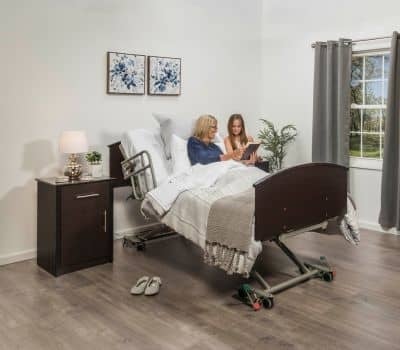
Getting in and out of bed can become one of the most physically demanding parts of the day.
A bed that sits too low may make standing difficult. A bed that sits too high can make transfers unsafe. Soft mattresses may also reduce stability when the person tries to sit at the edge.
Watch for signs that the current setup is no longer working:
- The person pulls on furniture to stand.
- The caregiver lifts from an awkward position.
- The user slides forward when sitting on the edge.
- Repositioning requires repeated assistance.
- Breathing or swelling becomes worse when lying flat.
- The person struggles to reach a walker or wheelchair safely.
An adjustable bed or hospital bed can support safer positioning and transfers. Some models allow the head, legs, and overall bed height to be adjusted based on the user’s needs.
Hospital beds may also be helpful during surgery recovery, rehabilitation, or periods when a person spends more time in bed.
Additional bedroom products may include:
- Bed rails
- Bed support handles
- Overbed tables
- Transfer poles
- Pressure-relief mattresses
- Low-air-loss mattress systems
- Bedside commodes
Equipment selection should account for the person’s mobility, weight capacity, ability to follow instructions, and risk of falling or becoming trapped.
Make the Bathroom Safer

Bathrooms combine tight spaces, wet surfaces, and frequent changes in position. This makes them one of the most important areas to review before schedules become busier.
Observe the complete bathroom routine, including entering the room, approaching the toilet, stepping into the shower, bathing, drying, dressing, and leaving.
Look for moments when the person reaches for a towel bar, sink, counter, or movable object for support. These items are not designed to support body weight.
Bathroom safety equipment may include:
- Professionally installed grab bars
- Shower chairs
- Tub transfer benches
- Raised toilet seats
- Toilet safety rails
- Handheld showerheads
- Non-slip surfaces
- Bedside commodes
A shower chair can help someone who becomes tired or unsteady while standing. A transfer bench may be more appropriate when stepping over a bathtub wall creates a fall risk.
Raised toilet seats reduce how far a person must lower themselves. Toilet safety rails provide support during sitting and standing.
The right product depends on the bathroom layout and the user’s actual movement. Measure the available space before choosing equipment, especially in smaller bathrooms.
Reassess Mobility Equipment

Mobility needs can change gradually. A cane that worked for short distances may no longer provide enough support during longer outings. A standard walker may provide stability but become difficult to use when the person needs frequent rest breaks.
The goal is to match the mobility device to the user, the environment, and the activity.
Common options include:
- Canes for limited balance support
- Front-wheel walkers for added stability
- Rollators with seats for users who need rest breaks
- Transport wheelchairs pushed by a caregiver
- Manual wheelchairs for longer periods of seated mobility
- Power wheelchairs for independent powered movement
- Mobility scooters for community outings
One device may not work well in every setting.
A person may use a walker inside the home and a transport wheelchair for medical appointments. Another person may use a rollator for shopping but need a power chair for longer community events.
Whenever possible, test mobility equipment before purchasing it. The user should be able to operate the brakes, controls, folding mechanisms, and accessories comfortably.
Inspect Existing Equipment
Do not wait for a device to fail during an appointment or outing. Create a regular inspection schedule for equipment used every day.
Check:
- Walker tips and wheels
- Rollator brakes
- Wheelchair tires
- Footrests and armrests
- Scooter batteries
- Power-chair controls
- Charging cables
- Folding mechanisms
- Seat cushions
- Loose bolts or accessories
- Frames for visible damage
Make sure the equipment still fits the user. Weight changes, posture changes, swelling, and reduced trunk control can affect comfort and positioning.
Arrange service when brakes, wheels, controls, or batteries do not function correctly. Continuing to use damaged equipment can increase fall risk and create additional strain for caregivers.
Plan for Transportation

Leaving the house often becomes the most complicated part of a caregiver’s routine.
Before appointments resume, confirm that all equipment fits in the vehicle and that the caregiver can load it safely.
Consider:
- Equipment weight
- Folding size
- Vehicle cargo space
- Number of steps required to load it
- Battery removal
- Ramp or lift requirements
- Space for oxygen equipment
- Room for additional supplies
A lightweight transport wheelchair may be useful when a person walks short distances at home but becomes tired during longer appointments.
Vehicle lifts and mobility carriers can reduce the need to manually lift heavier scooters or power chairs. Portable ramps may help at homes or destinations without step-free access.
Practice loading and unloading equipment before the day of an important appointment.
Organize Medications and Medical Supplies
A busy household can run out of supplies quickly when no one is assigned to monitor inventory.
Choose one day each week to check frequently used products.
These may include:
- Incontinence supplies
- Disposable underpads
- Wound-care products
- Compression garments
- Diabetic supplies
- CPAP masks and tubing
- Oxygen cannulas
- Nebulizer accessories
- Skin-protection products
- Braces
- Cold therapy supplies
Set a minimum quantity for each item. Reorder before the supply reaches that level.
Products used every day should have a larger backup supply than items used occasionally. Shipping time, holidays, and changes in usage should be included in the plan.
Prepare an Appointment Bag
A dedicated appointment bag reduces the chance of leaving important supplies at home.
Depending on the person’s needs, the bag may include:
- Medication list
- Identification
- Insurance information
- Water
- Approved snacks
- Incontinence products
- Disposable underpads
- A change of clothing
- Basic wound-care supplies
- Charging cables
- Oxygen accessories
- Contact information for caregivers and physicians
Review the bag every week. Replace used items and remove anything that has expired.
Keep it in a consistent location near the equipment used for transportation.
Review Oxygen and Respiratory Equipment

Households using oxygen concentrators, CPAP, BiPAP, or nebulizer equipment should inspect each component before returning to a busier routine.
Check:
- Masks
- Tubing
- Cannulas
- Filters
- Batteries
- Chargers
- Carrying cases
- Power cords
Follow the manufacturer’s cleaning and replacement instructions. Do not change prescribed oxygen settings without guidance from the appropriate medical professional.
Prepare for Longer Days Away From Home
Appointment delays and unexpected errands can keep someone away from home longer than planned.
Portable oxygen users should know how long their equipment operates at the prescribed setting. Carry the correct charger or backup battery when appropriate.
Consider where the equipment can be charged and how it will be secured during transportation.
Arizona heat requires extra planning. Medical equipment should not be left in a parked vehicle unless the manufacturer specifically allows it. Cars can reach dangerous temperatures quickly, even during a brief stop.
Avoid storing equipment and supplies in hot garages. Review product-specific temperature limits and storage instructions.
Reduce Physical Strain on Caregivers
Caregiver injuries often develop through repeated lifting, pulling, and repositioning. Review tasks that require the caregiver to handle a large portion of the person’s body weight.
Common high-strain activities include:
- Moving from bed to wheelchair
- Standing from a low chair
- Repositioning in bed
- Entering the shower
- Moving from wheelchair to toilet
- Assisting after a fall
Transfer equipment may reduce physical strain and provide more consistent support.
Options include:
- Gait belts
- Transfer boards
- Sit-to-stand devices
- Full-body patient lifts
- Transfer poles
- Power lift chairs
The correct equipment depends on whether the person can bear weight, follow directions, maintain sitting balance, and participate in the transfer.
Caregivers should receive proper instruction before using unfamiliar transfer equipment. Incorrect use can injure both the caregiver and the person receiving care.
Document the Routine
Write down important equipment instructions so another family member or backup caregiver can step in.
Include:
- How transfers are completed
- Which equipment is used
- Where supplies are stored
- Medication reminder procedures
- Emergency contacts
- Equipment charging instructions
- Appointment transportation details
A documented routine becomes especially valuable when the primary caregiver becomes sick, returns to work, or needs time away.
Decide Whether to Rent or Buy Medical Equipment

Some households need equipment for several weeks. Others expect to use it every day for years.
Renting may make sense for:
- Surgery recovery
- Short-term rehabilitation
- Visiting family members
- Temporary mobility limitations
- Equipment trials
- Transitional care after a hospital stay
Common rental products may include hospital beds, wheelchairs, scooters, walkers, oxygen concentrators, lift chairs, and patient lifts.
Purchasing may be more practical when the equipment supports a long-term condition, requires customized sizing, or will be used every day.
Compare:
- Expected length of use
- Rental cost
- Purchase price
- Warranty coverage
- Maintenance
- Delivery
- Setup
- Storage
- Customization needs
Testing equipment before making a long-term purchase can help prevent expensive mistakes.
AZ MediQuip showrooms allow customers to compare many types of home medical equipment and receive help from trained staff.
Build a Weekly Caregiver Checklist
A written checklist keeps small problems from disrupting the household routine.
One Week Before a Schedule Change
- Inspect mobility equipment.
- Refill frequently used supplies.
- Confirm prescription refills.
- Test batteries and chargers.
- Review upcoming appointments.
- Confirm transportation.
- Clear walking paths.
- Arrange equipment delivery or repair.
- Update backup caregivers.
The Night Before a Busy Day
- Charge powered equipment.
- Pack the appointment bag.
- Prepare clothing and personal-care items.
- Confirm appointment times.
- Place mobility aids where they can be reached safely.
- Check the weather and transportation route.
- Prepare necessary medical documents.
At the End of Each Week
- Restock supplies.
- Clean equipment according to instructions.
- Review the next week’s schedule.
- Note changes in mobility or fatigue.
- Inspect equipment for wear.
- Schedule repairs when needed.
- Update family members involved in care.
Common Back-to-Routine Scenarios
A Caregiver Returning to Work
A family member who provided daytime care may no longer be available after returning to work.
The household may need to improve independence in the bedroom, bathroom, and living areas. A rollator, lift chair, bedside support handle, or toilet safety frame may help the person complete more tasks with less physical assistance.
The routine should also be documented for anyone providing backup care.
Preparing for Surgery
Equipment should be arranged before the person returns home.
Depending on the procedure, the household may need a walker, hospital bed, raised toilet seat, shower chair, cold therapy system, or temporary wheelchair.
Waiting until discharge day creates unnecessary pressure. Early planning gives the family time to measure the home, schedule delivery, and learn how the equipment works.
Managing Multiple Appointments
A person attending therapy, specialist visits, and routine medical appointments may become fatigued during longer days.
A lightweight transport wheelchair, portable respiratory equipment, prepared supply bag, and shared calendar can make the schedule easier to manage.
The goal is to reduce loading time and ensure that the household has everything needed before leaving home.
Build a Routine That Works for the Entire Household

A dependable routine starts with understanding how care happens throughout the day.
Review the tasks that take the most time, create the most discomfort, or place the greatest physical strain on caregivers. Inspect existing equipment, organize medical supplies, prepare transportation, and address safety concerns before the household calendar becomes more demanding.
Small changes can make daily care more consistent. A properly fitted walker, safer bathroom setup, organized appointment bag, or better transfer device can reduce stress for everyone involved.
The right medical equipment should support the user’s needs while helping caregivers provide assistance more safely.
Frequently Asked Questions
What medical equipment should caregivers inspect before returning to a regular routine?
Check mobility equipment, bathroom safety products, beds, transfer devices, respiratory equipment, batteries, chargers, and frequently used medical supplies. Arrange repairs or replacements before the equipment becomes essential to a daily schedule.
How can caregivers make a home safer for someone with limited mobility?
Clear walking paths, improve lighting, remove loose rugs, install appropriate bathroom support, evaluate bed height, and confirm that mobility equipment fits the user and the home.
Is it better to rent or purchase medical equipment?
The answer depends on the expected length of use, frequency of use, customization needs, storage, and cost. Renting often works well for temporary recovery. Purchasing may provide better value for daily, long-term use.
What equipment can reduce caregiver lifting?
Patient lifts, sit-to-stand devices, transfer boards, gait belts, transfer poles, adjustable beds, and power lift chairs may reduce lifting. Product selection should reflect the user’s ability to bear weight and participate in transfers.
How often should mobility equipment be inspected?
Frequently used equipment should receive regular visual and functional checks. Brakes, wheels, frames, batteries, controls, and accessories should be inspected immediately when performance changes.
How does Arizona heat affect medical equipment?
High temperatures can affect batteries, electronics, supplies, and user safety. Do not leave equipment in a hot vehicle or store it in an uncontrolled space unless the manufacturer allows it. Follow all product-specific temperature guidelines.
Can medical equipment be delivered and installed?
AZ MediQuip offers delivery, setup, and installation services for eligible products and service areas. Availability depends on the product and location.
Where can caregivers find medical equipment in Arizona?
AZ MediQuip provides home medical equipment through multiple Arizona locations and its online store. Customers can compare products, explore rental options, and receive help selecting equipment for specific household needs.
Related Articles