
Empowering Independence with the Right Home Medical Equipment
Independence at home depends on the details. For many people, the ability to stand up from a chair, walk safely to the bathroom, take a shower, sleep comfortably, or leave the house for an appointment can make the difference between feeling in control and feeling limited.
The right home medical equipment helps protect that independence.
For seniors, adults recovering from surgery, people managing chronic conditions, and family caregivers, medical equipment should do more than fill a temporary need. It should make everyday life safer, easier, and more comfortable. It should support real routines inside the home, reduce fall risk, and give families more confidence.
That is where working with a local provider matters.

Why the Right Equipment Matters
Home medical equipment is often purchased after something changes. A parent has a fall. A spouse comes home from surgery. A loved one starts struggling with stairs, showers, or longer walks. A caregiver realizes they can no longer safely help with lifting or transfers alone.
The right equipment can help someone continue doing more for themselves. A lift chair can make it easier to stand without pulling on furniture or relying on a caregiver. A rollator can provide walking support while still allowing the user to sit when tired. A shower chair or transfer bench can make bathing safer. A hospital bed can make rest, positioning, and caregiving more manageable.
When equipment is poorly matched, it can create new problems. A walker that is the wrong height may increase strain. A scooter that is too large may not work inside the home. A chair that does not fit the user’s body may sit unused. A bathroom grab bar installed in the wrong location may not provide the support someone needs.
Start with the Person’s Daily Routine
Before choosing a product, families should think through the daily routines that have become difficult. Can the person get out of bed safely? Can they stand from a chair without help? Can they walk from the bedroom to the bathroom? Can they bathe without losing balance? Can they leave the house for appointments, errands, or family events?
A person who walks independently but tires quickly may benefit from a rollator with a seat. Someone who needs caregiver support for outings may do better with a transport chair. A person recovering from knee surgery may need a walker, shower chair, raised toilet seat, and lift chair for a few weeks. Someone with long-term mobility limitations may need a more permanent setup that includes bathroom safety equipment, a mobility scooter, or a power chair.
The home environment matters too. Hallway width, bathroom layout, flooring, stairs, door thresholds, and vehicle space can all affect the right choice. A scooter that works well outdoors may be hard to use in a tight hallway. A wheelchair that is comfortable may still be too wide for a bathroom doorway. A hospital bed may require room rearrangement before delivery.
Mobility Equipment That Helps People Stay Active
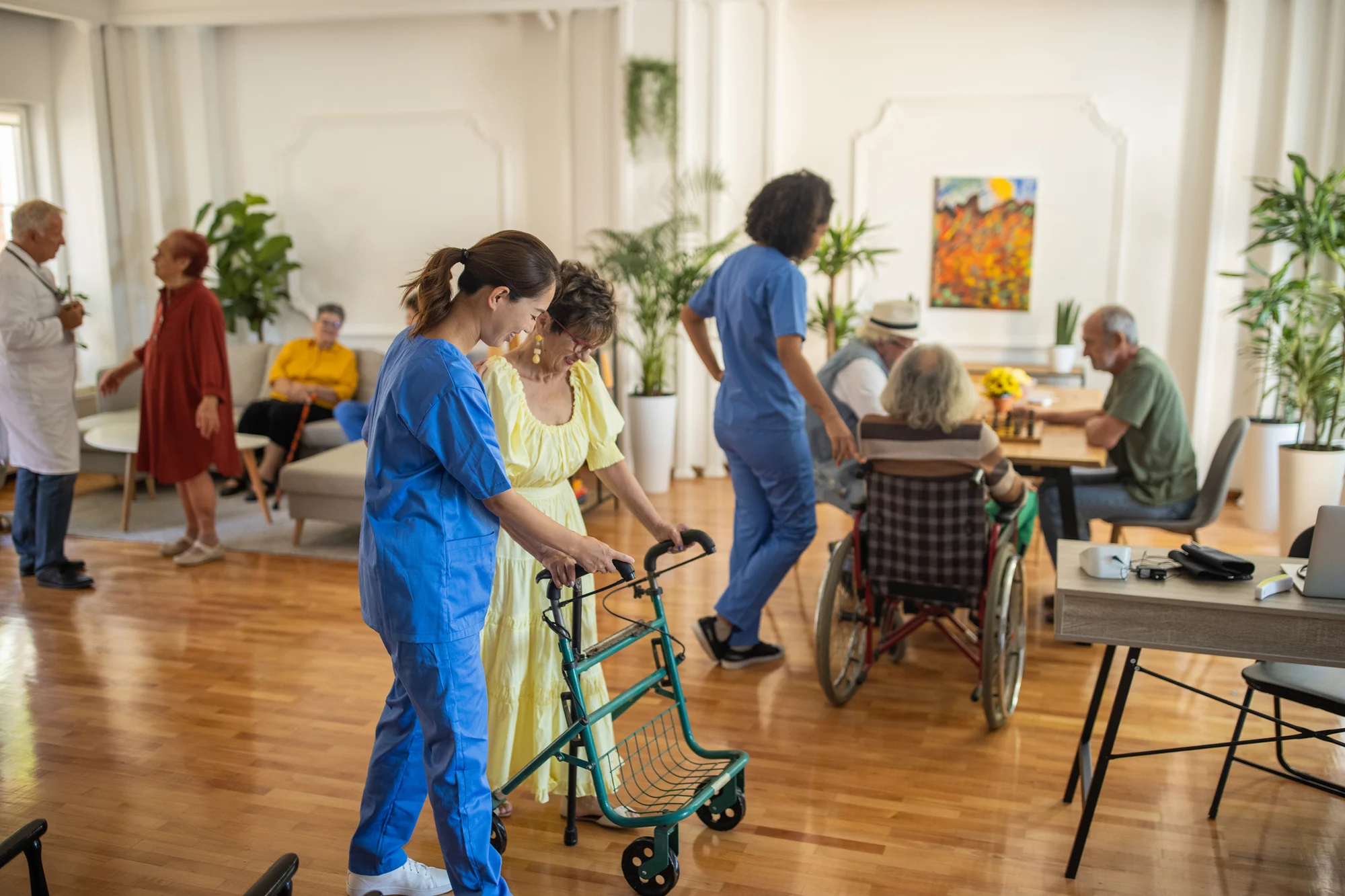
Walkers and rollators are often used by people who need balance support, are recovering from surgery, or become tired while walking. Standard walkers offer more stability and are often used during recovery. Rollators have wheels and typically include hand brakes, a seat, and storage. They can be helpful for users who can walk but need support and a place to rest.
Choosing a walker or rollator should involve more than picking one off a shelf. Handle height, brake style, seat height, weight capacity, wheel size, and ease of folding all matter. The user should feel stable, not hunched over or stretched forward.
Wheelchairs and transport chairs serve different needs. A manual wheelchair can provide more seated support and may allow some users to self-propel. A transport chair is usually lighter and designed for caregiver-assisted movement. It can be a smart choice for appointments, travel, or short outings when the user does not need to move the chair independently.
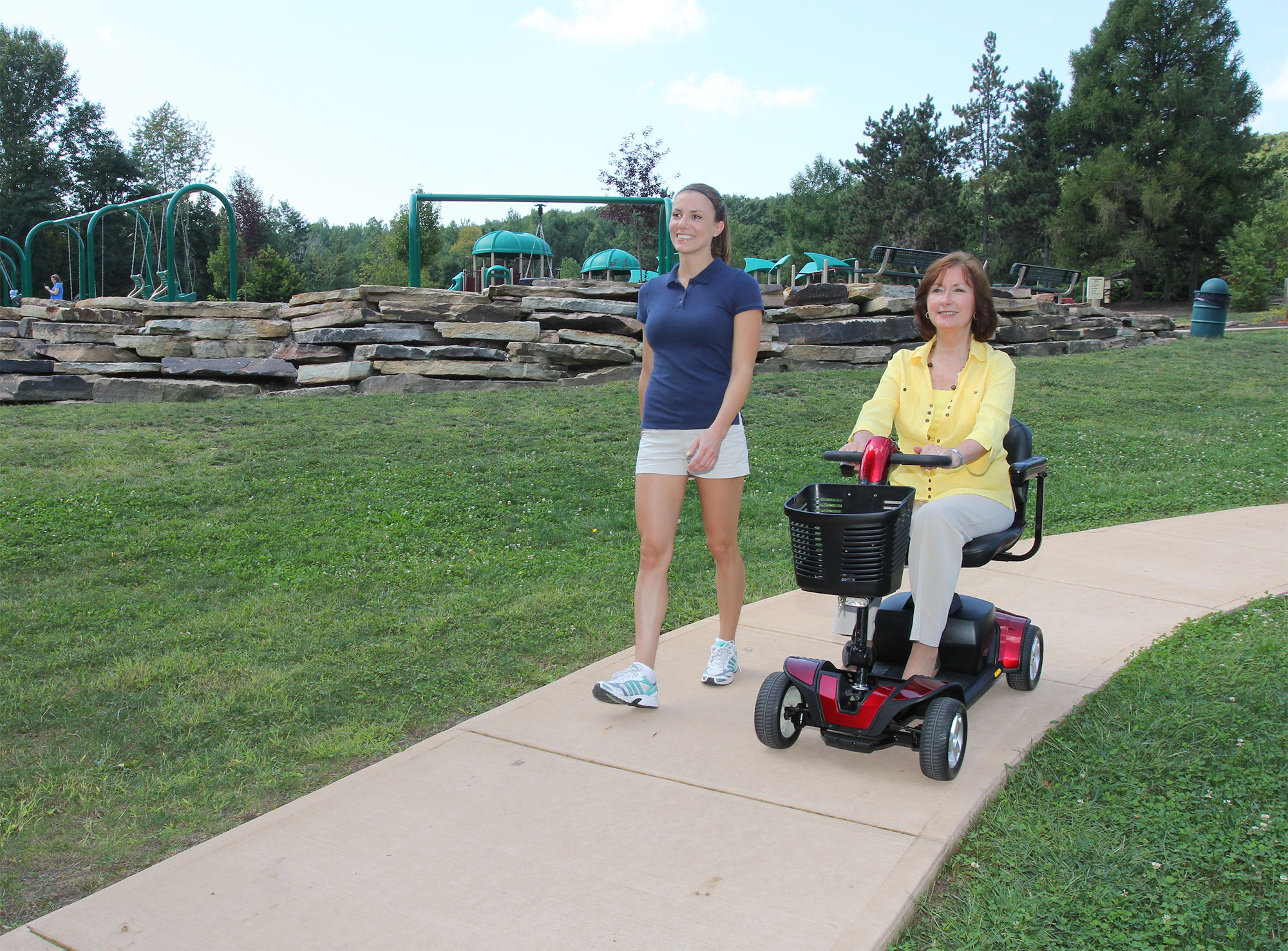
Mobility scooters and power chairs can help people stay active when walking longer distances becomes difficult. Scooters are commonly used for errands, events, shopping, and outdoor mobility. Three-wheel scooters usually offer a tighter turning radius, while four-wheel scooters often provide added stability. Power chairs may be better for users who need joystick control and tighter indoor maneuverability.
Lift Chairs Make Standing Safer and Easier
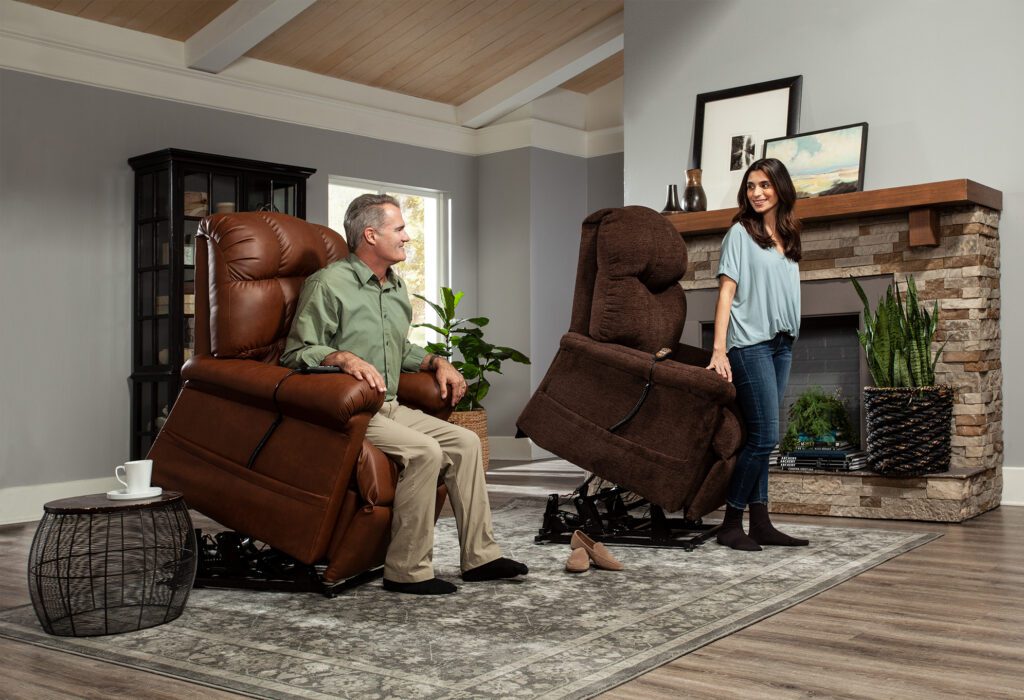
Standing up from a seated position can become one of the biggest barriers to independence. Knee pain, hip pain, arthritis, weakness, back problems, balance issues, and post-surgery restrictions can all make standing difficult.
A power lift chair helps the user move from sitting to standing with less strain. It can reduce pressure on the knees, hips, and back while also giving the user a comfortable place to rest, read, watch TV, or recover.
Lift chairs come in different sizes and styles. The right fit depends on the user’s height, weight, seat depth, seat width, preferred positions, and comfort needs. Some chairs offer basic reclining, while others include zero-gravity positioning, heat, massage, or advanced support features.
Families should also consider how long the chair is needed. A lift chair rental may be ideal after surgery or during a temporary recovery period. Buying may make more sense for someone who needs daily assistance.
Bathroom Safety Should Be a Priority
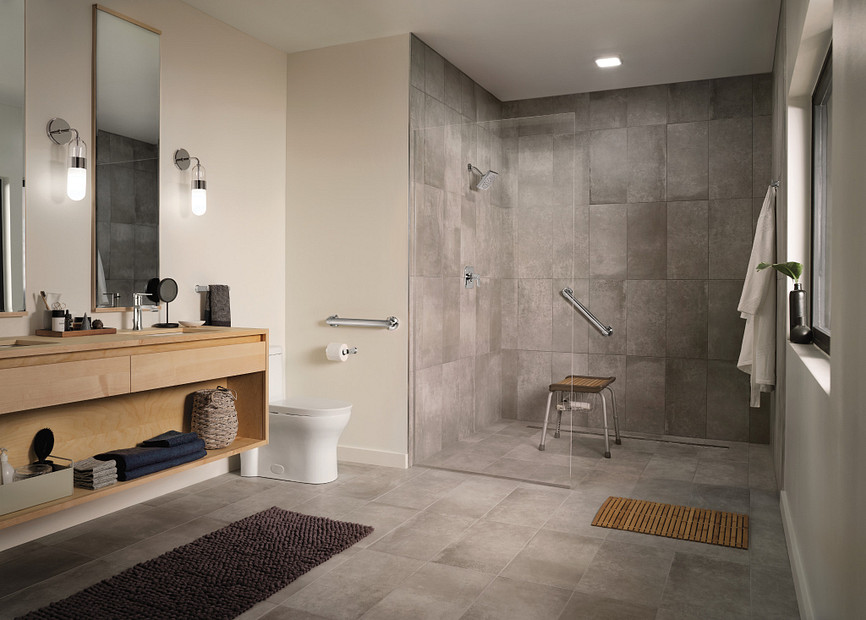
The bathroom is one of the most important areas to address when setting up a safer home. Wet surfaces, tight spaces, hard flooring, tub walls, and low toilets can make bathing and toileting difficult.
A shower chair allows the user to sit while bathing. A transfer bench helps someone move safely into and out of a tub. Grab bars provide stable hand support near the toilet, shower, or tub. A raised toilet seat can make sitting and standing easier. Toilet safety frames add support on both sides of the toilet. A bedside commode can help reduce unsafe nighttime trips to the bathroom.
Placement matters. A grab bar should be installed where the person naturally needs support. A shower chair should fit the space and provide the right height and stability. A transfer bench should match the tub layout and the user’s mobility.
Bathroom equipment is one area where professional guidance and installation can make a major difference. A product may seem simple, but if it is the wrong size or placed incorrectly, it may not solve the problem.
Bedroom and Recovery Equipment for Home Comfort
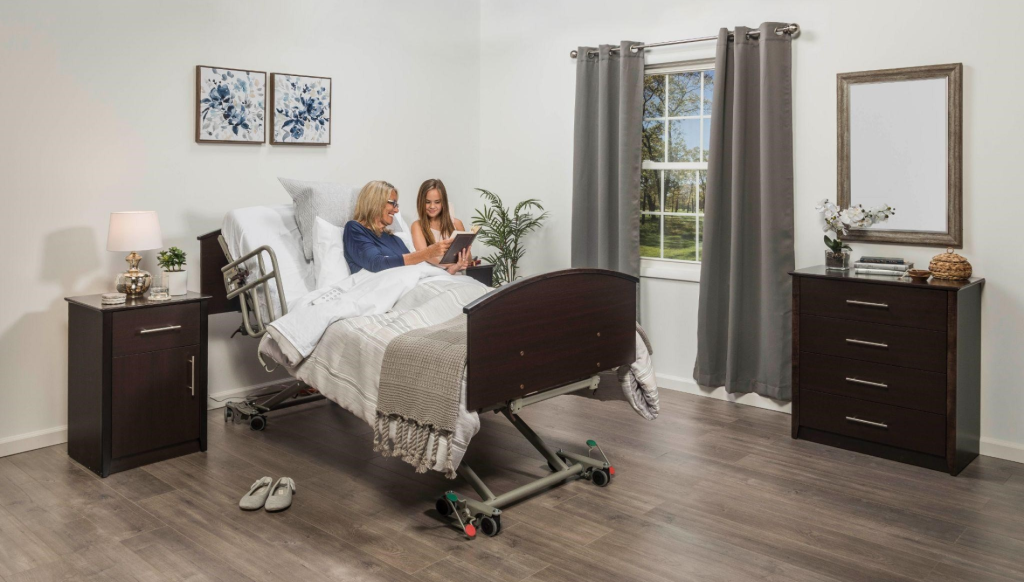
For people recovering from surgery, managing illness, or needing more support at home, bedroom equipment can improve comfort and caregiving. A hospital bed can make it easier to adjust body position, get in and out of bed, and provide care. Adjustable head and foot positioning can support comfort, rest, breathing, circulation, and recovery. Bed height adjustment can also help with transfers and caregiver access.
Hospital beds may be rented for short-term recovery or purchased for longer-term use. Families should consider mattress type, side rails, room layout, delivery, and setup before choosing one.
Patient lifts and transfer aids can also be important when a caregiver cannot safely move someone alone. These tools help reduce the risk of injury for both the user and caregiver. They can assist with transfers from bed to wheelchair, from chair to bed, or at other transfer points.
Smaller daily living aids can also make a meaningful difference. Reachers, dressing aids, overbed tables, cushions, bed rails, and positioning products can make routine tasks easier and reduce frustration.
Respiratory and Sleep Equipment Support Daily Function

Portable and home oxygen concentrators can help people maintain mobility while meeting their oxygen needs. Portability, battery life, weight, accessories, and travel needs all matter when choosing equipment. Users should also understand prescription requirements and how the equipment fits into their daily routine.
CPAP and BPAP equipment can support people with sleep-related breathing issues. The machine matters, but so do the mask, tubing, cleaning supplies, and replacement schedule. Comfort and fit can affect whether someone uses the equipment consistently.
When respiratory or sleep equipment is part of daily life, access to supplies, service, and knowledgeable support becomes important. Customers should feel comfortable asking questions before and after choosing equipment.
When Renting Makes Sense
This is common after knee replacement, hip surgery, foot or ankle injuries, illness, or hospitalization. A person may need a wheelchair, walker, knee scooter, lift chair, hospital bed, or mobility scooter for a few weeks or months.
Rentals can also help when a family member is visiting Arizona and needs mobility support during the stay. Instead of buying equipment that will only be used briefly, families can rent what they need and arrange delivery when appropriate.
Renting can also be useful when someone wants to test equipment before making a purchase. A scooter, lift chair, or wheelchair may look right on paper but feel different during daily use. Renting gives the user a chance to confirm comfort, fit, and function.
Supporting Caregivers as Well as Users
Home medical equipment not only helps the person using it. It can also protect caregivers.
Family caregivers often help with standing, walking, bathing, dressing, transfers, appointments, and nighttime needs. Without the right equipment, these tasks can become physically demanding and unsafe.
A lift chair can reduce the need to pull someone up from a seated position. A hospital bed can make repositioning and care easier. A transport chair can make appointments less stressful. A bedside commode can reduce nighttime bathroom risks. A transfer bench can make bathing safer for both the user and the caregiver.
The right setup can reduce lifting, bending, pulling, and emergency reactions. It can also help caregivers provide support without taking over every task.
That balance matters. Good equipment helps users keep as much independence as possible while giving caregivers better tools to help when needed.
How to Choose the Right Home Medical Equipment
If the goal is fall prevention, bathroom safety equipment, grab bars, walkers, rollators, and transfer aids may be the first priority. If the goal is recovery, rentals such as a lift chair, wheelchair, knee scooter, or hospital bed may make sense. If the goal is to leave the house more often, a mobility scooter, transport chair, or lightweight wheelchair may be a better fit.
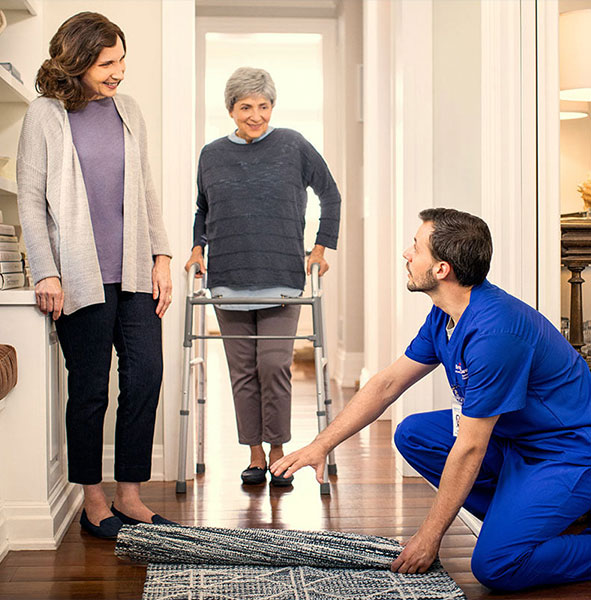
Next, match the equipment to the environment. Measure doorways, hallways, bathroom space, bed height, and vehicle storage areas. Think about whether the product will be used indoors, outdoors, or both.
Then evaluate fit and function. The user should be able to use the equipment safely and comfortably. Controls should be easy to operate. The equipment should feel stable. The caregiver should understand how to move, fold, transport, or adjust it when needed.
Finally, decide whether renting or buying is the better financial and practical choice.
Rent when the need is short-term, uncertain, or related to travel or recovery. Buy when the equipment will be used daily, for the long term, or when it needs to match specific comfort and lifestyle needs.
Common Mistakes to Avoid
One common mistake is choosing based on price alone. Lower-cost equipment may seem appealing, but poor fit, weak durability, or limited functionality can create frustration. The right equipment should match the user’s needs and hold up to real use.
Another mistake is buying without measuring. Doorways, bathrooms, chair heights, bed heights, and vehicle space can all determine whether equipment will work. A few measurements can prevent major problems.
Families also tend to wait until after a fall, surgery, or emergency. Planning earlier can make the home safer before problems escalate.
Caregiver needs are often overlooked as well. Equipment should make life better for the person using it and the people helping them. If a caregiver is straining to assist with transfers, bathing, or standing, the home setup needs attention.
Why Arizona Families Choose AZ MediQuip
AZ MediQuip gives customers a practical advantage because equipment can be seen, tested, rented, purchased, delivered, installed, and serviced through a local provider.
That matters when a family needs help quickly, when the equipment must fit a specific home, or when a customer wants to compare options before committing.
Instead of guessing online, customers can visit an AZ MediQuip showroom, speak with trained staff, and get help choosing equipment that fits the user’s size, mobility level, home layout, and timeline. Rental options make short-term recovery and travel needs easier to manage. Delivery and setup support can reduce stress when families are preparing a home for care.
The Right Equipment Helps People Live More Fully at Home
Independence is protected through everyday details. Standing up safely, walking with confidence, bathing without fear, sleeping comfortably, recovering at home, and getting out into the community all depend on having the right support in place.
Home medical equipment should make life easier, not more complicated. The right products can reduce fall risk, support mobility, ease caregiver strain, and help people keep doing more of what matters to them.
Whether the need is temporary or long-term, the best choice starts with fit, safety, comfort, and real daily use.
Get in Touch With AZ Mediquip
If you or a loved one needs home medical equipment, visit an AZ MediQuip showroom to see, try, and compare your options. The AZ MediQuip team can help you decide whether renting or buying makes the most sense and guide you toward equipment that fits your home, your needs, and your routine.
Visit www.azmediquip.com to find your nearest location or learn more about rentals, sales, delivery, installation, and repair services.
FAQs
Can I try equipment before buying it?
Yes. AZ MediQuip showrooms allow customers to see, try, and compare a wide range of home medical equipment before making a decision.
What equipment is helpful after surgery?
Common post-surgery equipment includes walkers, wheelchairs, lift chairs, shower chairs, raised toilet seats, knee scooters, cold therapy products, and hospital beds. The right setup depends on the type of surgery and recovery plan.
What bathroom safety equipment should families consider first?
Start with the highest-risk areas. Grab bars, shower chairs, transfer benches, raised toilet seats, toilet safety frames, and commodes are common options for improving bathroom safety.
How do I choose the right mobility scooter?
Consider where the scooter will be used, how far it needs to travel, the user’s comfort, battery range, turning radius, portability, weight capacity, and whether a three- or four-wheeled model is better suited to the environment.
Who can help me choose the right home medical equipment?
A local home medical equipment provider can help match products to the user’s needs, home layout, comfort requirements, and duration of use. AZ MediQuip offers in-store guidance, rentals, sales, delivery, installation, and repair support across Arizona.
Related Articles