
How to Improve Respiratory Comfort at Home
Respiratory discomfort doesn’t just affect breathing. It affects sleep, energy, focus, and how you feel throughout the day. Whether you’re dealing with sleep apnea, COPD, asthma, or ongoing congestion, even mild breathing challenges can make daily life feel harder than it should. The good news is that home respiratory equipment can make a major difference, but only when it’s used correctly and consistently. A CPAP machine can dramatically improve sleep quality. An oxygen concentrator can help reduce shortness of breath and fatigue. A nebulizer can provide faster relief when breathing feels tight or irritated.
The key is understanding that comfort isn’t about pushing through discomfort. It’s about having the right device, the right fit, and the right supplies, along with ongoing support to keep everything working the way it should.
The 3 Most Common Causes of Respiratory Discomfort at Home

Respiratory discomfort at home usually falls into one of three categories, and understanding which one applies to you is the first step toward getting the right type of support.
The first is sleep-disordered breathing, most commonly sleep apnea. This is when the airway repeatedly narrows or collapses during sleep, leading to poor oxygen flow, frequent wake-ups, loud snoring, and daytime fatigue. Many people don’t realize how much their breathing at night affects how they feel during the day until they start CPAP therapy.
The second is chronic respiratory conditions like COPD, asthma, and chronic bronchitis. These conditions can make breathing feel strained, especially during activity, in dry weather, or when air quality is poor. In many cases, home oxygen support or nebulizer treatments can help improve comfort and reduce flare-ups when used as prescribed.
The third is temporary breathing challenges caused by illness or recovery. Respiratory infections, seasonal colds, and post-surgery recovery can all make breathing feel more difficult. Even when the issue is short-term, the right home equipment can help relieve symptoms, improve airflow, and make rest and recovery easier.
CPAP: The Most Effective Tool for Sleep-Related Breathing Support
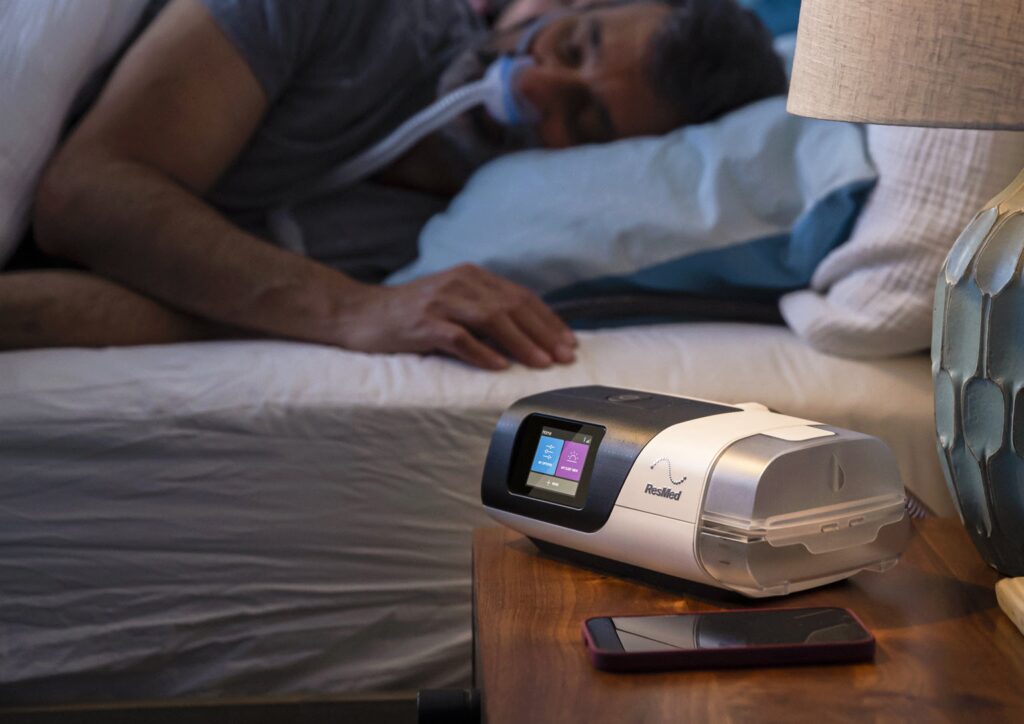
For people with sleep apnea or sleep-disordered breathing, CPAP therapy is one of the most effective ways to improve breathing comfort at night. A CPAP machine works by keeping your airway open with a steady flow of air, preventing breathing interruptions that cause poor sleep and low oxygen levels. When CPAP is working the way it should, many people notice better sleep quality, fewer wake-ups, and improvements in common symptoms like morning headaches, dry mouth, and daytime fatigue.
Why CPAP can feel uncomfortable (and how to fix it)
Most CPAP discomfort isn’t caused by the machine itself. It’s caused by fixable setup issues. Mask leaks and poor fit are one of the biggest problems. If the mask doesn’t seal properly, it can let air into your eyes, make noise, and force you to tighten the straps too much, creating pressure points. Pressure discomfort is another common issue, especially when a person is first starting therapy. Dryness, congestion, and a sore throat can also occur when the air feels too dry, which is often resolved with humidification. Some people feel claustrophobic when wearing a mask, while others experience skin irritation from friction or improper sizing.
CPAP comfort tips that actually work
The fastest way to improve CPAP comfort is to make sure the mask is the right size and style for your face. Many people struggle because they were given the wrong mask type, not because CPAP “doesn’t work.” Switching between a nasal mask, full-face mask, or nasal pillows can make a dramatic difference. Heated humidification and heated tubing can also reduce dryness and congestion, especially in dry climates.
Why old CPAP supplies make breathing worse
CPAP works best when air is delivered smoothly, quietly, and consistently. Worn masks and cushions lose their seals over time, leading to air leaks, noise, and dryness. Leaks also force many users to over-tighten the straps, which causes pressure points, facial irritation, and headaches. Dirty filters are another common issue. When filters clog with dust and debris, airflow can feel weaker, and the machine may work harder than it should. Old tubing can also become a problem. Over time, it can hold bacteria, odors, and moisture buildup, especially if it isn’t cleaned regularly or if the home has higher humidity.
The most important CPAP supplies to replace regularly
Replacing supplies isn’t just about hygiene. It’s about keeping therapy comfortable and effective. The most important items include the mask and cushion, filters, tubing, the water chamber, and headgear and straps. Masks and cushions wear down faster than most people expect, and once the seal breaks down, leaks and discomfort become almost unavoidable. Filters should also be replaced consistently because they directly affect airflow and air quality. Tubing and water chambers matter because they impact cleanliness, odors, and moisture control. Headgear and straps stretch over time, causing shifting during sleep and worsening leaks even when the mask itself is still in decent condition.
CPAP cleaning and maintenance for comfort and hygiene
A simple cleaning routine can prevent most CPAP comfort problems. Daily cleaning should focus on parts that come into contact with your face and moisture, such as the mask cushion and the water chamber. Weekly cleaning should include tubing and the full mask assembly to prevent buildup and odors. It’s also important to avoid harsh cleaners or shortcuts that can damage equipment or leave irritating residue.
Oxygen Concentrators: When You Need Consistent Support Beyond Sleep
For some people, respiratory discomfort isn’t limited to nighttime breathing. If you have a chronic lung condition or low oxygen saturation, you may need consistent support throughout the day, not just while you sleep. That’s where a home oxygen concentrator can make a major difference.
Who typically uses a home oxygen concentrator
Home oxygen concentrators are commonly used by people with COPD and other chronic lung conditions. They’re also prescribed for individuals with confirmed low oxygen saturation levels, as determined by a physician. In some cases, oxygen support is recommended during recovery after illness, surgery, or respiratory complications, but it should always be doctor-directed.
How oxygen concentrators improve daily comfort
When oxygen levels are supported properly, many people notice less shortness of breath during everyday activities like walking through the house, climbing stairs, or doing light chores. Oxygen support can also improve sleep quality and reduce fatigue, as low oxygen levels often contribute to daytime exhaustion. For many users, one of the biggest benefits is confidence. When breathing feels more stable, people are more comfortable moving around at home, rather than limiting activity out of fear of getting winded.
Comfort tips for oxygen users at home
Comfort starts with the cannula. If it doesn’t fit well or rubs the skin, it can cause irritation around the ears, cheeks, and nose. Tubing management is also important, not just for comfort but for safety. Long tubing can easily become a tripping hazard, especially in hallways and around furniture. Keeping the equipment clean and ensuring airflow is unobstructed helps the concentrator perform correctly and keeps the air path fresh. Finally, it’s smart to plan ahead for power outages. Since concentrators rely on electricity, having a backup plan in place can prevent stressful situations, especially during summer storms or seasonal grid issues.
Portable Oxygen Concentrators: Oxygen Support That Moves With You

For many people, oxygen therapy is not just needed at home. It is needed at doctor’s appointments, family gatherings, the grocery store, and during travel. If you require supplemental oxygen but want to maintain independence and mobility, a portable oxygen concentrator can provide reliable support without limiting your lifestyle.
Portable oxygen concentrators are designed to be lightweight, compact, and battery-powered. Unlike stationary home units, they allow users to move freely without being connected to a wall outlet, making everyday activities more manageable and less stressful.
Who typically uses a portable oxygen concentrator
Portable oxygen concentrators are commonly prescribed for individuals with COPD, pulmonary fibrosis, and other chronic lung conditions that result in low oxygen saturation levels. They are also used by people recovering from respiratory illness or surgery who need ongoing oxygen support outside the home.
Some patients use a portable unit as their primary oxygen source. Others use it alongside a stationary concentrator, relying on the portable system for outings and travel. Oxygen therapy should always be physician-directed to ensure proper flow settings and safe use.
How portable oxygen concentrators improve daily life
The primary benefit of a portable oxygen concentrator is freedom. With oxygen support available wherever you go, many users experience:
- Reduced shortness of breath during light activity
- Increased stamina throughout the day
- Greater confidence in leaving the house
- More participation in social events and errands
When breathing feels more stable, people are less likely to limit activity out of fear of becoming winded. This can significantly improve overall quality of life and emotional well-being.
Comfort and safety tips for portable oxygen users
Proper fit and setup make a noticeable difference in comfort. The nasal cannula should sit securely without causing irritation around the ears or nose. Soft ear protectors or padding can help prevent skin discomfort during extended use.
Battery management is essential. Keep batteries fully charged and carry a backup battery when leaving home for longer periods. Understanding your device’s battery life at your prescribed setting helps prevent unexpected interruptions.
Tubing should be long enough for comfortable movement but short enough to avoid tripping hazards. When traveling by car, secure the unit safely and ensure that air intake vents are not blocked.
Routine maintenance is also important. Clean filters regularly and follow manufacturer guidelines to ensure consistent oxygen delivery and optimal performance.
With the right equipment and proper setup, portable oxygen concentrators can provide dependable respiratory support while allowing you to stay active, independent, and engaged in daily life.
Nebulizers: Fast Relief for Congestion and Breathing Tightness
Nebulizers are one of the most practical tools for respiratory comfort at home, especially when breathing feels tight, irritated, or congested. They’re commonly used for asthma, COPD flare-ups, bronchitis, and pediatric respiratory support when recommended by a doctor. For many households, a nebulizer becomes the go-to option during seasonal illness or when symptoms spike unexpectedly.
How nebulizers improve comfort at home
Nebulizers work by turning liquid medication into a fine mist that’s inhaled directly into the lungs. This helps deliver medication where it’s needed most, often providing faster relief than other methods. Nebulizer treatments can also help loosen mucus, reduce inflammation, and make breathing feel less restricted, which is especially helpful during flare-ups or when coughing and congestion are persistent.
Nebulizer comfort and maintenance tips
Comfort starts with the right fit. A properly sized mouthpiece or mask makes treatments easier and helps ensure medication is delivered effectively. Cleaning after each use is also critical because leftover moisture can lead to bacteria buildup and unpleasant odors. Nebulizer cups and tubing should be replaced as they wear down, since old components can affect airflow and treatment quality. If treatments cause throat irritation or coughing, using the correct technique, staying hydrated, and making sure the equipment is clean can often make the experience more comfortable.
Why AZ MediQuip Is the Best Partner for Respiratory Comfort at Home
Respiratory equipment isn’t something you want to guess on. Comfort, results, and consistency depend on having the right device, the right fit, and the right supplies, and that’s where AZ MediQuip makes the difference.
AZ MediQuip provides CPAP machines and CPAP supplies to help patients sleep better and breathe more comfortably at night, with the support needed to improve mask fit, reduce leaks, and stay on top of replacement schedules. They also offer oxygen concentrators for home use, along with guidance to help patients stay comfortable and confident using oxygen equipment safely and correctly. For patients who rely on breathing treatments, AZ MediQuip carries nebulizers and the accessories needed to ensure consistent, hygienic treatments.
Most importantly, AZ MediQuip offers local service and real support, not just equipment. That includes setup help, troubleshooting, and ongoing supply replacement so your therapy stays comfortable, effective, and easy to maintain over time.
Breathe Easier at Home: CPAP, Oxygen Concentrators, and Nebulizers for Better Comfort
Respiratory comfort at home doesn’t come from pushing through symptoms or trying to “make it work” with equipment that isn’t fitting properly. It comes from having the right device for your needs, the right supplies to keep that device working correctly, and the right support when something feels off.
If your CPAP mask is leaking, your supplies are overdue for replacement, your oxygen equipment feels unreliable, or your nebulizer setup isn’t delivering comfortable treatments, it’s worth addressing now rather than waiting for the problem to get worse. Small adjustments and proactive replacements can make a noticeable difference in breathing comfort, sleep quality, and daily energy levels.
For help with CPAP machines and CPAP supplies, oxygen concentrators, or nebulizers, contact AZ MediQuip or visit their local team to get the right equipment, the right fit, and the support you need to breathe easier at home.
FAQs
How do I know if my CPAP mask doesn’t fit correctly?
The most common signs are air leaking around the edges, noise from the seal breaking, dry mouth, waking up often, or having to tighten the straps too much to keep it in place. If your mask leaves deep marks, causes soreness, or shifts every time you move, the fit or mask style is usually the issue.
How often should CPAP supplies be replaced?
Replacement depends on the specific item, but masks and cushions wear out faster than most people expect. Filters should be replaced regularly to maintain strong, clean airflow, and tubing and water chambers should be replaced when they show wear, discoloration, or a persistent odor. If your CPAP suddenly feels less comfortable, supply replacement is often the first thing to check.
What’s the difference between an oxygen concentrator and oxygen tanks?
An oxygen concentrator pulls in room air and filters it to deliver concentrated oxygen. Oxygen tanks store oxygen that’s already been compressed or liquefied. Concentrators are commonly used for consistent home oxygen support, while tanks are often used as portable options or backup, depending on the prescription.
Can I use a nebulizer every day?
Some people do use a nebulizer daily, but it depends on the medication and the treatment plan prescribed by your doctor. If you find yourself needing nebulizer treatments more often than usual, it’s a good idea to check in with your healthcare provider.
Why does CPAP make my nose dry or congested?
This is usually caused by airflow that’s too dry or a mask leak that’s blowing air into the wrong areas. Adding heated humidification, using heated tubing, adjusting the mask fit, or switching to a different mask style often quickly improves dryness and congestion.
Related Articles