Choosing the Right Hospital Bed for Home Care
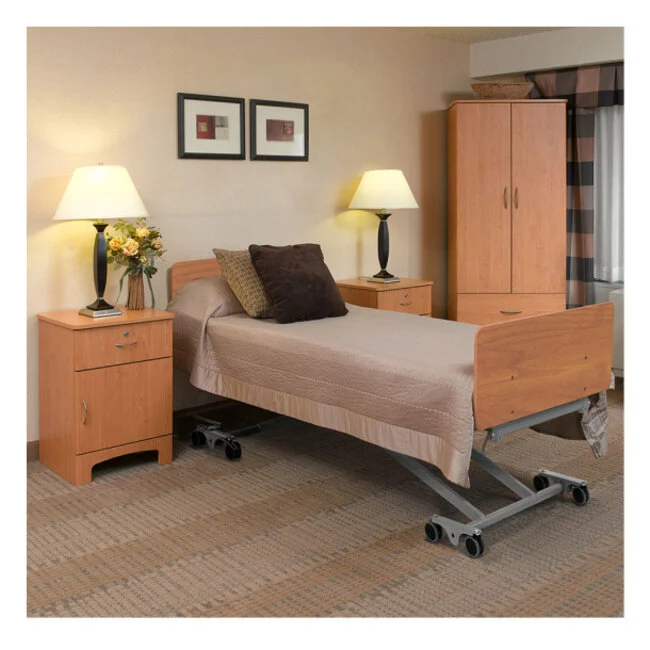
When a loved one needs care at home, comfort and safety quickly become top priorities. Whether someone is healing from surgery, living with a chronic illness, or receiving long-term or end-of-life care, the right hospital bed can make a difference for both patients and caregivers. Unlike standard beds, hospital beds are designed to provide adjustable positioning, enhanced support, and built-in safety features. These elements help reduce the risk of falls, ease breathing and circulation issues, and allow caregivers to assist with daily tasks more efficiently.
With multiple bed types, sizes, mattress options, and purchasing or rental choices available, selecting the right hospital bed can feel overwhelming. This guide breaks down everything you need to know, so you can make a confident, informed decision that supports comfort, dignity, and care at home.
Who Needs a Hospital Bed for Home Care
Patients Recovering From Surgery or Injury
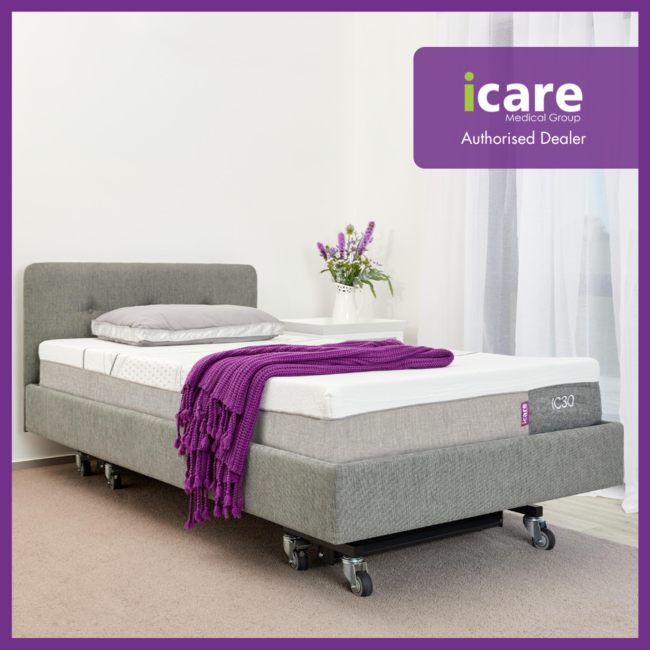
Individuals healing from surgery, fractures, or serious injuries often need additional support while recovering at home. A hospital bed allows for adjustable positioning, which can help reduce swelling, improve circulation, and minimize discomfort. Being able to raise or lower the head and legs also makes resting, sleeping, and transitioning in and out of bed safer and easier during recovery.
Individuals With Chronic Illness or Limited Mobility
People living with chronic conditions such as arthritis, respiratory disease, neurological disorders, or muscle weakness frequently benefit from a hospital bed. Adjustable features help accommodate specific medical needs, improve breathing and comfort, and reduce the physical effort required to reposition. These beds can also support greater independence while limiting the risk of falls or injury.
Seniors Aging in Place
As mobility and balance change with age, a hospital bed can provide added safety and stability. Height-adjustability, supportive mattresses, and optional side rails help reduce fall risk and make daily routines more manageable. For many seniors, a hospital bed allows them to remain at home longer while maintaining comfort and dignity.
Hospice and Palliative Care Patients
Hospital beds play a vital role in hospice and palliative care by prioritizing comfort and symptom management. They allow caregivers to reposition patients easily, manage pain more effectively, and provide care with minimal disruption. In these settings, a hospital bed supports both physical comfort and emotional well-being in a familiar home environment.
Mattress Options for Hospital Beds
Selecting the right mattress is as important as choosing the hospital bed itself. The mattress provides comfort, support, and proper pressure management, which are critical for patients who spend extended periods in bed. Hospital bed mattresses are designed to flex with bed adjustments while maintaining stability and safety.
Standard Foam Mattresses
Standard foam mattresses are lightweight and affordable, making them ideal for short-term use or patients with minimal medical needs. They provide basic support and comfort while allowing frequent repositioning. These mattresses work well for recovery situations in which the patient is at low risk of pressure sores or skin breakdown.
Pressure-Relief and Therapeutic Mattresses
Pressure-relief and therapeutic mattresses are designed to reduce stress on vulnerable areas such as the hips, shoulders, and heels. They help improve circulation and lower the risk of pressure ulcers, making them suitable for patients with limited mobility or those who spend longer periods resting in bed. These mattresses combine comfort with targeted clinical support to promote better overall health outcomes.
Alternating Pressure and Low-Air-Loss Mattresses
For patients at higher risk of skin breakdown, alternating pressure and low-air-loss mattresses offer advanced clinical support. Alternating pressure models shift pressure points regularly to protect the skin, while low-air-loss systems help manage moisture and temperature. These features are often recommended for long-term care or medical conditions that require extended bed rest.
Safety Features
Many hospital bed mattresses include edge-of-bed safety options to prevent falls and enhance stability. Choosing the right mattress ensures both patient comfort and safety, supporting overall well-being while reducing strain on caregivers. Matching the mattress type to medical and mobility needs is essential for effective home care.
Matching Comfort With Clinical Needs
Choosing the right mattress requires balancing comfort with medical support. Factors such as mobility level, skin integrity, and length of use should guide selection. The right mattress enhances comfort, supports proper care, and contributes to better overall outcomes at home.
Key Safety and Comfort Features to Look For

When selecting a hospital bed for home care, safety and comfort features play a critical role in protecting the patient while making caregiving tasks easier. The right features help reduce fall risk, improve daily comfort, and support efficient care at home.
Side Rails and Fall Prevention
Side rails provide added security by helping prevent accidental falls and offering support when repositioning or transferring in and out of bed. Some beds feature full-length rails, while others offer half or assist rails for greater flexibility. Choosing the right rail configuration depends on mobility level and safety needs.
Height Adjustability
Height adjustability is essential for both patient safety and caregiver comfort. Lowering the bed reduces fall risk during entry and exit, while raising it allows caregivers to provide care without excessive bending. Proper height adjustment supports safer transfers and everyday tasks.
Locking Casters and Bed Stability
Hospital beds are typically equipped with casters to allow for movement when necessary. Locking casters keep the bed securely in place during use, preventing unwanted shifting. Strong frames and stable bases are helpful for patients who reposition frequently or require assistance.
Remote Controls and Ease of Operation
Easy-to-use remote controls allow patients and caregivers to adjust bed positioning smoothly and safely. Clear buttons and simple functions make repositioning more comfortable and encourage independence when appropriate.
Emergency and Caregiver-Friendly Features
Features such as quick-release headboards, battery backup systems, and emergency lowering functions provide added peace of mind. These elements ensure caregivers can respond quickly while maintaining patient comfort and safety at all times.
AZ MediQuip Hospital Bed Bundles and Packages
AZ MediQuip offers hospital bed bundles and packages to simplify setting up home care. Instead of purchasing individual components separately, bundled solutions provide everything needed for safe and comfortable use in one convenient package. These options are ideal for families who want a straightforward, reliable solution without the stress of coordinating multiple items.
What Is Included in Hospital Bed Bundles
Hospital bed bundles typically include the bed frame, a compatible mattress, and essential safety accessories. Common additions include side rails for fall prevention, trapeze bars to assist with repositioning, and adjustable bed height features. Some packages also offer pressure-relief mattresses or upgraded support options based on medical needs. Each bundle is designed to ensure proper fit and functionality across all components.
Renting vs Buying a Hospital Bed
Deciding whether to rent or buy a hospital bed depends on the patient’s needs, expected duration of use, and budget. Both options have advantages, and understanding the differences can help families make the most practical choice for home care.
When Renting Makes Sense
Renting is ideal for short-term care needs, such as post-surgery recovery, temporary injury support, or short-term illness. It allows families to access a high-quality hospital bed without a large upfront investment. Rentals also offer flexibility, making it easy to return, exchange, or upgrade the bed if needs change during the care period.
When Buying Is the Better Option
Purchasing a hospital bed is usually recommended for long-term or permanent home care. If the patient requires ongoing assistance, chronic condition management, or hospice care, buying a bed ensures consistent access without rental limitations. Ownership may also be more cost-effective over time compared to repeated rental fees.
Cost Comparison
Rentals generally involve a lower initial cost, while buying requires a larger upfront investment. However, long-term use often makes purchasing more economical. Families should consider how long the bed will be needed and calculate the total cost of rental versus purchase to make an informed decision.
Not Ready to Buy? Explore Rental Options
If you’re not ready to buy a hospital bed, renting offers a flexible and practical alternative. Rental plans are available for both short-term needs, such as post-surgery recovery, and longer-term situations where ongoing care is uncertain. This flexibility lets you meet current needs without a large upfront cost.
Hospital bed rentals typically include essential accessories such as mattresses, side rails, and any necessary supports, so you get a complete setup right away. Many providers make it easy to upgrade to a different model or return equipment if circumstances change, giving you peace of mind as care needs evolve.
Renting is also a great way to try different features and styles before deciding whether to purchase. It allows you to see what works best for comfort, mobility, and daily routines without long-term commitment.
For families in Arizona seeking dependable rental solutions, AZ MediQuip offers a variety of hospital bed options, along with personalized support. Reach out today to learn more about rental availability, ask questions, and find the best fit for your home care situation.
Delivery, Setup, and Ongoing Support
When arranging a hospital bed for home care, professional delivery and installation ensure the bed is safe, properly positioned, and ready for use. Experienced technicians handle the setup, including assembling the frame, attaching rails and accessories, and verifying that all electrical and mechanical components function correctly.
Once installed, safety checks confirm that the bed is stable, the mattress fits properly, and all adjustments operate smoothly. This thorough process reduces the risk of accidents and ensures the bed meets the needs of both patients and caregivers.
Ongoing maintenance and support are also essential. Reputable providers offer guidance for routine care, troubleshooting assistance, and service options to address any mechanical issues.
Having professional delivery, setup, and ongoing support gives families peace of mind, knowing their loved one has a safe, comfortable environment for recovery or long-term care. It also reduces stress for caregivers, allowing them to focus on providing quality care rather than worrying about equipment functionality.
Make Your Hospital Bed Purchase at AZ MediQuip
Choosing the right hospital bed for home care involves considering patient needs, bed type, mattress options, safety features, and whether to rent or buy. Early planning ensures a comfortable, safe environment for recovery or long-term care while reducing stress for caregivers.
For families in Arizona, AZ MediQuip offers expert guidance, bundled hospital bed solutions, and flexible rental options to meet a variety of care scenarios. Their team can help match the right bed, mattress, and accessories to your loved one’s needs, making setup simple and worry-free.
Don’t wait until care needs become urgent. Contact AZ MediQuip today to schedule a consultation, explore hospital bed packages, or discuss rental options tailored to your home care situation.
Related Articles